


Summary of Apostolic Exhortation Dilexi Te (4 October 2025) by Pope Leo XIV
Overview and context
Dilexi Te continues and deepens themes from the recent papal teaching it explicitly follows — especially the Encyclical Dilexit Nos — by connecting Christ’s love to the Church’s mission toward the poor. The text was begun by Pope Francis and completed/issued early in Leo XIV’s pontificate; Leo XIV presents it as both a theological reflection and concrete pastoral exhortation aimed “to all Christians” about the centrality of loving and serving the poor. The opening grounds the exhortation in Scripture (e.g., Revelation, the Magnificat, and the parables) and in the lived witness of saints such as Francis of Assisi. Vatican
Structural outline (how the document is built)
The exhortation is arranged in chapters that move from foundational theology to diagnosis and then to pastoral responses. Early chapters: scriptural and theological foundations (Christ’s identification with the lowly; “God chooses the poor”); middle chapters: analysis of the many faces and causes of poverty today (material, social, cultural, spiritual); later chapters: concrete pastoral priorities and forms of Christian response (charity, structural engagement, formation, liturgy, prayer, and civic/professional witness). Each section balances doctrinal reflection with pastoral practicality, insisting that love for the poor is both sacramental/Christian holiness and public witness. Vatican
Key theological premises (compact)
- Christ’s love is revealed in the poor. The document insists that contact with the lowly is a fundamental way to encounter Christ: “Just as you did it to one of the least … you did it to me” is a constant hermeneutic for Christian action. Love of the poor is not optional piety but a Gospel imperative. Vatican
- God’s preferential concern for the poor. Building on biblical episodes (Exodus, the prophets, the Magnificat) and on modern magisterial teaching, the exhortation affirms that God’s saving action shows a special concern for the vulnerable; Christian imitation of God requires a corresponding preferential option for the poor. Vatican
- Incarnational logic. Because God became poor in the Incarnation and the cross, solidarity with the materially and existentially poor is a participation in the mystery of Christ’s self-emptying. Vatican
Diagnosis: what the document sees as the problem(s)
- Multifaceted poverty. Poverty is not simply lack of income; it includes marginalization, loss of rights, cultural impoverishment, spiritual desolation, and social invisibility. The exhortation emphasizes that poverty’s face changes with history (what counts as deprivation is historically conditioned) and that new, subtle forms of poverty are emerging even where material wealth increases. Vatican
- Growing inequality and cultural indifference. Economic growth that accompanies widening inequality is critiqued: prosperity can exist alongside, and even because of, structures that exclude the poor. The text calls out a cultural “bubble” of luxury and indifference that normalizes the exclusion of millions. Vatican
- Ideological distortions. The exhortation warns against secular ideologies and mistaken economic or political theories that rationalize neglect or blame the poor for their condition (e.g., crude meritocracy or ideological readings that downplay structural causes). Christian charity must therefore be accompanied by clear social critique and prophetic witness. Vatican
Pastoral priorities and concrete responses
- Personal conversion and small gestures. Small acts of tenderness toward the suffering (the anointing woman example) are remembered as the seedbed of Christian witness; no act of love is wasted. These gestures are entry points for conversion and communal memory. Vatican
- Integral solidarity: charity + justice. The document strongly affirms traditional corporal works of mercy while insisting they must be paired with efforts to remove structural causes of poverty. Charity alone without pursuit of justice risks becoming temporary relief; structural engagement without personal compassion risks technocratic coldness. The Church must do both. Vatican
- Preferential options in pastoral life and structures. Parishes, dioceses, seminaries, and Catholic institutions are encouraged to embed attention to the poor into formation programs, liturgy, pastoral planning, and resource allocation — not as an add-on but as constitutive of Christian identity. Vatican
- Care for vulnerable groups (women, migrants, those without rights). The exhortation highlights particular vulnerability of women and migrants, urging specific protections, recognition of dignity, and support that responds to overlapping injustices. Vatican
- Public witness and civic engagement. Lay faithful and pastors alike are urged to bear public witness for policies that serve integral human development, to form consciences for solidarity, and to oppose political-economic decisions that entrench exclusion. The Church’s prophetic voice must intervene in public debate with clarity and humility. Vatican
Liturgical and spiritual dimensions
The document repeatedly ties service of the poor to liturgical life: prayer, the Eucharist, and sacramental practices ought to nourish the missionary impulse toward the marginalized. Spiritual formation that encounters Christ in the poor will shape a people capable of sustained solidarity rather than episodic charity. Saints (notably Francis of Assisi) are offered as models whose conversion was triggered by direct contact with the marginalized. Vatican
Cultural and educational work
Dilexi Te calls for a change of mentality at cultural and educational levels. Catholic education, catechesis, seminarian formation and pastoral training should cultivate competence in social analysis, respect for dignity, and willingness to undertake both personal service and advocacy for structural reform. The aim is to produce Christians whose habits of life and professional choices reflect concern for the common good. Vatican
Warnings and difficulties acknowledged
The exhortation is realistic: it admits that society often resists change; that media attention to suffering is fleeting; and that even Christians can be co-opted by consumerist values. It also notes the risk of paternalism or simplistic charity that does not empower the poor. Hence the call for patient accompaniment, listening, and empowerment — helping people claim rights, participate in civic life, and shape their own futures. Vatican
Tone and final exhortation
The tone is both urgent and hopeful: urgent because of the scale of present needs and the moral exigency of Christian love; hopeful because the Gospel, the history of saints, and concrete works of love show that renewal is possible. The document ends as it began — with an invitation to holiness founded on love for the poor — and reaffirms that serving the poor is a privileged route to encountering Christ and to the Church’s renewal. Vatican
Practical takeaways (brief list)
- Reframe parish and institutional priorities so service to the poor is central, not peripheral. Vatican
- Combine immediate charity with advocacy for structural change (policy, labor rights, access to services). Vatican
- Integrate formation (seminaries, schools, catechesis) with social teaching and experiential accompaniment. Vatican
- Protect and empower particularly vulnerable groups (women, migrants, those stripped of rights). Vatican
- Maintain liturgical and spiritual practices that cultivate seeing Christ in the poor. Vatican
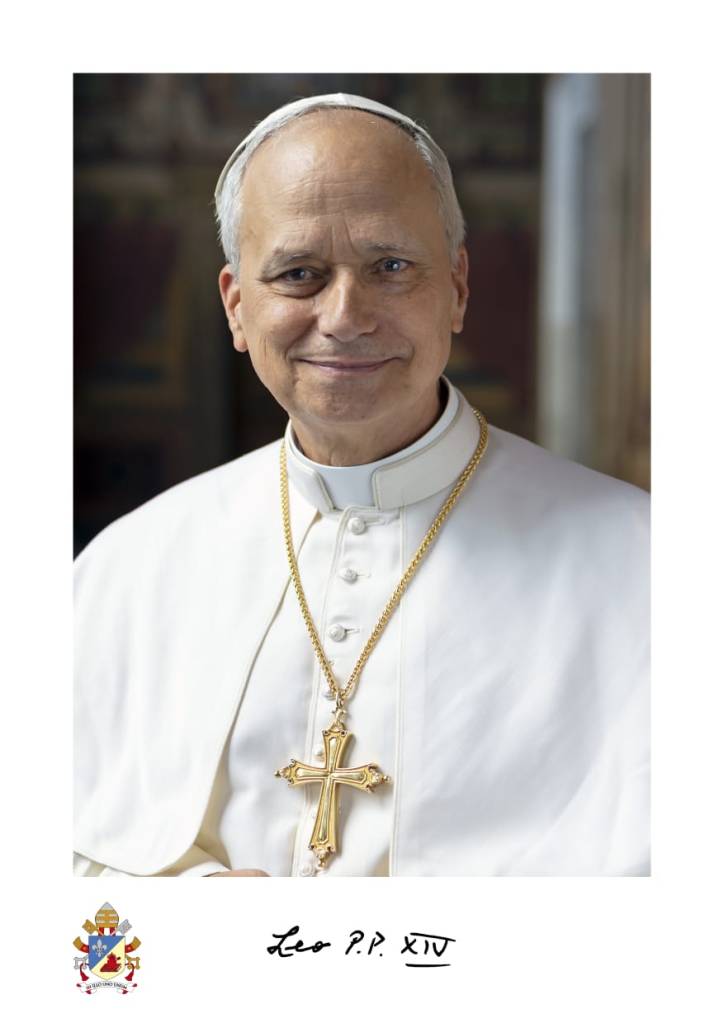
Shorter Summary
Overview
Dilexi te is Pope Leo XIV’s first major exhortation, continuing the pastoral vision of Pope Francis. Written on the feast of St Francis of Assisi, it reflects on Christian love for the poor as the heart of the Gospel and the mark of authentic discipleship.
Central Message
The Pope teaches that love for the poor is inseparable from love for Christ. Serving the poor is not optional charity but a sacramental encounter with Jesus, who identifies himself with the least (cf. Mt 25). The Church, he says, must be known by her closeness to the poor — in spirit, lifestyle, and mission.
Diagnosis of Today’s World
The exhortation laments the “culture of indifference” that tolerates inequality, exploitation, and exclusion. It denounces:
- Economic systems that value profit over people.
- Closed-border policies that ignore migrants and refugees.
- Modern slavery, human trafficking, and violence against women.
- Neglect of prisoners, the elderly, and children deprived of education and care.
These are not just social issues but signs of structural sin that demand conversion.
Theological Foundations
Pope Leo XIV grounds his appeal in Scripture and Tradition, especially the witness of the saints and early Church Fathers. The “preferential option for the poor” is presented as a divine priority, not political ideology — a way of seeing as Christ sees.
Practical Calls
The Pope urges:
- Clergy and bishops to preach mercy, live simply, and direct Church resources toward the vulnerable.
- Religious communities to renew their prophetic closeness to the poor.
- Lay faithful to practice solidarity through simplicity, generosity, and social engagement.
He links worship and charity: the Eucharist must lead to concrete service.
Tone and Vision
Warm, direct, and missionary in tone, Dilexi te blends contemplation with action. It seeks a Church that is poor and for the poor, both spiritually and structurally.
Summary Line
“Love for the poor is not a task among others,” Pope Leo XIV writes, “it is the measure of our love for Christ.”

 Nelson MCBS
Leave a comment