

Respected teachers, honorable guests, and my dear friends,
A very warm good morning to all of you. Today, we are gathered here to celebrate a day that fills every Malayali heart with pride and gratitude — Kerala Piravi, the birthday of our beloved land, Kerala.
Every year, on November 1st, we commemorate the formation of the state of Kerala in 1956. It was on this day that the Malayalam-speaking regions, which had been divided under different administrative territories, were unified to form one state — one land, one language, one soul. The day is not merely a date on the calendar; it is the heartbeat of a people, a reminder of unity, culture, language, and love.
The Birth of Kerala
Before 1956, the Malayalam-speaking regions were part of different princely states — Travancore, Cochin, and Malabar under the Madras Presidency. Though we spoke the same language, shared the same traditions, and lived under the same skies, administrative divisions separated us. Yet, the spirit of unity among Malayalis never dimmed.
With the States Reorganisation Act coming into force, based on linguistic lines, the dream of millions came true — and the state of Kerala was born on November 1, 1956. The word “Kerala” itself symbolizes harmony — “Kera” meaning coconut, and “alam” meaning land — the land of coconuts, the emerald paradise between the Western Ghats and the Arabian Sea.
The Soul of Kerala
Kerala is not merely a geographical entity; it is a living spirit — a philosophy of coexistence, equality, and compassion.
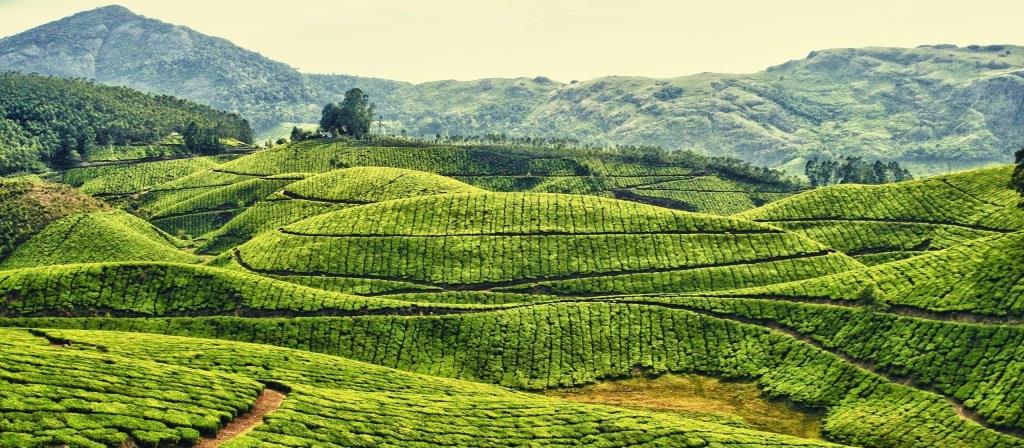
It is where the mountains meet the sea, where the backwaters whisper stories of centuries, and where the rain kisses the red earth to give birth to endless greenery.
We are blessed to be the children of a land where education and social justice found their rightful place long before many others even dreamt of it. Kerala stands tall as a model of literacy, healthcare, women empowerment, and social progress — achievements that came through decades of reform, struggle, and collective vision.
Architects of Our Renaissance
The Kerala we see today was not built overnight. It was shaped by the sweat, sacrifice, and foresight of countless reformers and visionaries.
Sree Narayana Guru, the saint and social reformer, preached the immortal words:
“One caste, one religion, one God for man.”
His message of equality and enlightenment awakened the conscience of society.
Ayyankali fought for the rights and dignity of the marginalized;
Chattampi Swamikal challenged superstition and ignorance through reason and spiritual wisdom;
Mannath Padmanabhan, K. Kelappan, and V.T. Bhattathirippad spearheaded the social and political awakening that helped Kerala evolve into a truly modern and humane society.
We owe our gratitude to these torchbearers of light who transformed Kerala from a land divided by caste and ignorance into a beacon of progress and humanity.
The Spirit of Malayalam and Culture
Language is the soul of a people, and Malayalam is the lifeblood of our identity.
It is not merely a means of communication; it is poetry, philosophy, and emotion woven into sound. Through the words of poets like Kumaran Asan, Vallathol Narayana Menon, and Ulloor S. Parameswara Iyer, Malayalam found a place among the finest literary languages of the world.
Our art forms — Kathakali, Mohiniyattam, Theyyam, Ottamthullal, and the rhythmic beats of Chenda — speak of a land deeply rooted in its traditions yet always open to new ideas. Our festivals, especially Onam, echo the harmony and inclusiveness that define Kerala’s soul.
Kerala Today — A Beacon to the World
From the misty heights of Munnar to the serene backwaters of Alappuzha, from the bustling streets of Kochi to the tranquil beaches of Kovalam, Kerala stands as a mosaic of nature’s beauty and human endeavor.
The world recognizes Kerala as “God’s Own Country” — a land where nature, culture, and people coexist in remarkable balance. But beyond its beauty lies its strength — the strength of education, health, and social equality.
Kerala boasts the highest literacy rate in India, one of the best healthcare systems, and a deeply democratic spirit.
Our people have travelled across the globe, yet wherever they go, they carry their culture, humility, and diligence with them. The Malayali diaspora is not just a workforce — it is a global ambassador of Kerala’s values.
The Challenges Ahead
Yet, even as we celebrate, we must pause to reflect.
Kerala today faces challenges — environmental degradation, unemployment, political polarization, and cultural erosion. The same lush greenery that gives us pride is under threat due to human negligence.
As heirs of this beautiful land, we have a responsibility to protect it.
Let us remember that true celebration of Kerala Piravi does not lie in flags, posters, or slogans, but in our actions — in how we treat our environment, how we respect one another, and how we preserve the values that shaped this state.
We must teach our children to love Malayalam, not just to speak it. We must plant trees, not just admire the forests. We must carry forward the ideals of our reformers, not merely remember them once a year.
If we can do that, every day will become a Kerala Piravi Day — a day of rebirth for our state and our conscience.
The Message of Unity
Kerala is a symbol of unity in diversity.
Hindus, Muslims, Christians, and people of every community live here as brothers and sisters. In every festival — whether it’s Onam, Christmas, or Eid — you will find hearts united in celebration.
That is the true essence of Kerala — humanity above all else.
In a world often divided by religion and politics, Kerala reminds us that coexistence is not an option, but our very nature.
Let us hold onto that truth. Let us nurture it with our actions and our words.
A Prayer for Our Land
As we stand here today, let us offer a silent prayer for our motherland:
May Kerala continue to shine as a land of peace, wisdom, and beauty.
May our rivers stay pure, our mountains green, and our hearts compassionate.
May we continue to learn, grow, and serve humanity with humility.
Let us pledge —
to love our language,
to protect our nature,
to uphold justice and equality,
and to work together for a better tomorrow.
Conclusion
Kerala Piravi is not just the celebration of a state’s formation; it is the celebration of a people’s soul — a reminder that unity, wisdom, and compassion can transform even the smallest land into a paradise.
Let us cherish the gift our ancestors left us. Let us build a future where every Malayali, wherever they are in the world, can proudly say:
“I am from Kerala — the land of light, learning, and love.”
Long live Kerala! Long live Malayalam!
Jai Hind! Jai Kerala!


 Nelson MCBS
Leave a reply to Nelson MCBS Cancel reply