
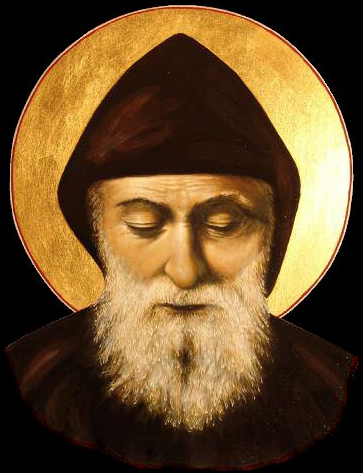
𝘓𝘦𝘣𝘢𝘯𝘦𝘴𝘦 𝘚𝘢𝘪𝘯𝘵 𝘊𝘩𝘢𝘳𝘣𝘦𝘭 𝘔𝘢𝘬𝘩𝘰𝘭𝘰𝘧 𝘪𝘴 𝘢 𝘷𝘦𝘳𝘺 𝘱𝘰𝘸𝘦𝘳𝘧𝘶𝘭 𝘴𝘢𝘪𝘯𝘵𝘭𝘺 𝘪𝘯𝘵𝘦𝘳𝘤𝘦𝘴𝘴𝘰𝘳, 𝘦𝘴𝘱𝘦𝘤𝘪𝘢𝘭𝘭𝘺 𝘰𝘯 𝘣𝘦𝘩𝘢𝘭𝘧 𝘰𝘧 𝘵𝘩𝘦 𝘪𝘭𝘭 𝘰𝘳 𝘪𝘯𝘧𝘪𝘳𝘮
𝗛𝗲𝗿𝗲 𝗮𝗿𝗲 𝗳𝗶𝘃𝗲 𝗳𝗮𝘀𝗰𝗶𝗻𝗮𝘁𝗶𝗻𝗴 𝗳𝗮𝗰𝘁𝘀 𝗮𝗯𝗼𝘂𝘁 𝗦𝗮𝗶𝗻𝘁 𝗖𝗵𝗮𝗿𝗯𝗲𝗹 𝗠𝗮𝗸𝗵𝗼𝗹𝗼𝗳, 𝘁𝗵𝗲 𝗺𝗶𝗿𝗮𝗰𝘂𝗹𝗼𝘂𝘀 𝗵𝗲𝗮𝗹𝗶𝗻𝗴 𝘀𝗮𝗶𝗻𝘁:
➊ 𝗦𝗮𝗶𝗻𝘁 𝗖𝗵𝗮𝗿𝗯𝗲𝗹 𝗯𝗲𝗰𝗮𝗺𝗲 𝗮 𝗺𝗼𝗻𝗸 𝗮𝘁 𝟮𝟯, 𝗮 𝗽𝗿𝗶𝗲𝘀𝘁 𝗮𝘁 𝟯𝟭, 𝘁𝗵𝗲𝗻 𝗮 𝗵𝗲𝗿𝗺𝗶𝘁 𝗮𝘁 𝟰𝟲.
Saint Charbel was born Yousef Antoun Makhlouf in 1828 in the mountains of Northern Lebanon. He was raised in a devout Christian family and was one of five children.
He wanted to become a monk from a young age. He helped his family tend to a small flock, and often took the flock to a grotto to pray before the Blessed Virgin Mary.
This grotto became “his first hermitage and altar of worship.”
When he became a monk of the Lebanese Maronite Order at 23, he took the name “Charbel.” He completely devoted his life to Christ “with an undivided heart.”
➋ 𝗡𝗼 𝗼𝗻𝗲 𝘀𝗮𝘄 𝗦𝗮𝗶𝗻𝘁 𝗖𝗵𝗮𝗿𝗯𝗲𝗹’𝘀 𝗳𝗮𝗰𝗲 𝘄𝗵𝗶𝗹𝗲 𝗵𝗲 𝘄𝗮𝘀 𝗮𝗹𝗶𝘃𝗲.
According to the book, “Three Lights From the East” by Father Mansour Awad, “People never saw his face when he was alive. He always kept his head down in church, at work, or when walking, always looking to the ground.
“He would lift his eyes only to heaven. When in church, he always faced the altar with his eyes fixed on the tabernacle. However, when he died and was lying face upward, his eyes were closed, still not looking at anyone, exactly as in his lifetime.”
𝗦𝗮𝗶𝗻𝘁 𝗖𝗵𝗮𝗿𝗯𝗲𝗹 𝘄𝗮𝘀 𝗲𝘅𝘁𝗿𝗲𝗺𝗲𝗹𝘆 𝗱𝗲𝘃𝗼𝘁𝗲𝗱 𝘁𝗼 𝘁𝗵𝗲 𝗘𝘂𝗰𝗵𝗮𝗿𝗶𝘀𝘁. 𝗛𝗲 𝘀𝘂𝗳𝗳𝗲𝗿𝗲𝗱 𝗮 𝘀𝘁𝗿𝗼𝗸𝗲 𝘄𝗵𝗶𝗹𝗲 𝗿𝗲𝗰𝗶𝘁𝗶𝗻𝗴 𝘁𝗵𝗶𝘀 𝗽𝗿𝗮𝘆𝗲𝗿 𝗼𝗻 𝗗𝗲𝗰. 𝟭𝟲, 𝟭𝟴𝟵𝟴:
“𝘍𝘢𝘵𝘩𝘦𝘳 𝘰𝘧 𝘛𝘳𝘶𝘵𝘩, 𝘣𝘦𝘩𝘰𝘭𝘥 𝘠𝘰𝘶𝘳 𝘚𝘰𝘯 𝘢 𝘴𝘢𝘤𝘳𝘪𝘧𝘪𝘤𝘦 𝘱𝘭𝘦𝘢𝘴𝘪𝘯𝘨 𝘵𝘰 𝘠𝘰𝘶, 𝘢𝘤𝘤𝘦𝘱𝘵 𝘵𝘩𝘦 𝘰𝘧𝘧𝘦𝘳𝘪𝘯𝘨 𝘰𝘧 𝘏𝘪𝘮 𝘸𝘩𝘰 𝘥𝘪𝘦𝘥 𝘧𝘰𝘳 𝘮𝘦…”
➌ 𝗔𝗳𝘁𝗲𝗿 𝗦𝗮𝗶𝗻𝘁 𝗖𝗵𝗮𝗿𝗯𝗲𝗹’𝘀 𝗱𝗲𝗮𝘁𝗵, 𝗮 𝗳𝗲𝗹𝗹𝗼𝘄 𝗺𝗼𝗻𝗸 “𝘀𝗮𝘄 𝗮 𝗹𝗶𝗴𝗵𝘁…𝗰𝗶𝗿𝗰𝗹𝗶𝗻𝗴 𝗙𝗮𝘁𝗵𝗲𝗿 𝗖𝗵𝗮𝗿𝗯𝗲𝗹’𝘀 𝗯𝗼𝗱𝘆.”
Saint Charbel died on Christmas Eve in 1898 before the presence of the Eucharist.
While one of the monks visited the tabernacle at midnight following his death, he saw a light surrounding the tabernacle and Saint Charbel’s body…after his body was already transported for burial!
Father Mansour Awad wrote in “Three Lights From the East” that “the body of Father Charbel was in front of the altar.”
“The monk saw a light bursting from the door of the tabernacle, circling the body of Father Charbel, easing up to the chandelier above the coffin and back to the tabernacle.”
➍ 𝗟𝗶𝗴𝗵𝘁 𝗶𝗹𝗹𝘂𝗺𝗶𝗻𝗮𝘁𝗲𝗱 𝗳𝗿𝗼𝗺 𝗦𝗮𝗶𝗻𝘁 𝗖𝗵𝗮𝗿𝗯𝗲𝗹’𝘀 𝘁𝗼𝗺𝗯.
Many people, including Christians and Muslims, reported light illuminating from Saint Charbel’s tomb after his death. His body was exhumed multiple times. Church authorities found him completely incorrupt.
A few months after his death, authorities found that “further examination showed that his body transpired blood and water like any living organism.”
Father Peter Mishmshany, a priest of the Saint Maron monastery who visited Father Charbel while he was ill, and participated in his burial said, “When a light was seen rising over the tomb, witnessed by many people, then the tomb was opened and the body was found to be sound, perfect, incorrupt.”
Father Charbel’s body reportedly remained intact for more than 40 years after his death.
➎ 𝗠𝗮𝗻𝘆 𝗵𝗲𝗮𝗹𝗶𝗻𝗴 𝗺𝗶𝗿𝗮𝗰𝗹𝗲𝘀 𝗮𝗿𝗲 𝗮𝘁𝘁𝗿𝗶𝗯𝘂𝘁𝗲𝗱 𝘁𝗼 𝗦𝗮𝗶𝗻𝘁 𝗖𝗵𝗮𝗿𝗯𝗲𝗹’𝘀 𝗽𝗼𝘄𝗲𝗿𝗳𝘂𝗹 𝗶𝗻𝘁𝗲𝗿𝗰𝗲𝘀𝘀𝗶𝗼𝗻.
Saint Charbel is most well-known for his powerful intercession for the sick. Many miracles have occurred through him.
For example, in 1936, Sister Mary Abel Kamary of the Two Sacred Hearts Nuns suffered from a serious internal condition.
Her pancreas, gallbladder, and kidney were stuck together, causing uncontrolled vomiting and paralyzation of her right arm. She underwent multiple unsuccessful surgeries.
She endured this intense suffering for 14 years. She vomited everything she ate, her teeth decayed, and she walked with a cane.
After hearing of Saint Charbel’s intercession, she asked for his help. He then blessed her in a dream, and she later visited Father Charbel’s grave in Lebanon.
“No sooner had she touched the grave tile than she felt a current in her back.
“While she was praying near the coffin, the name of Saint Charbel appeared carved on the tile, wreathed with drops of glistening sweat. She wiped it with her scarf and then rubbed it on the afflicted area. Thus she got up and walked, which raised the shouts of joy for her recovery.”
Other attributed healings through Saint Charbel’s intercession include healings from cancer, stroke, cysts, and the healing of a premature baby.
More than 33,000 healing miracles have been reported to date in the records of the Monastery of Saint Maron-Annaya. In addition, there are countless thousands of miracles reported in Lebanon and abroad that do not appear in these records.
𝗣𝗼𝗽𝗲 𝗦𝗮𝗶𝗻𝘁 𝗣𝗮𝘂𝗹 𝗩𝗜 𝗰𝗮𝗻𝗼𝗻𝗶𝘇𝗲𝗱 𝘁𝗵𝗶𝘀 𝗠𝗮𝗿𝗼𝗻𝗶𝘁𝗲 𝘀𝗮𝗶𝗻𝘁 𝗼𝗻 𝗢𝗰𝘁. 𝟵, 𝟭𝟵𝟳𝟳.
𝗦𝗮𝗶𝗻𝘁 𝗖𝗵𝗮𝗿𝗯𝗲𝗹, 𝗽𝗿𝗮𝘆 𝗳𝗼𝗿 𝘂𝘀!
Source:
 Nelson MCBS
Leave a comment