
Early Life & Education
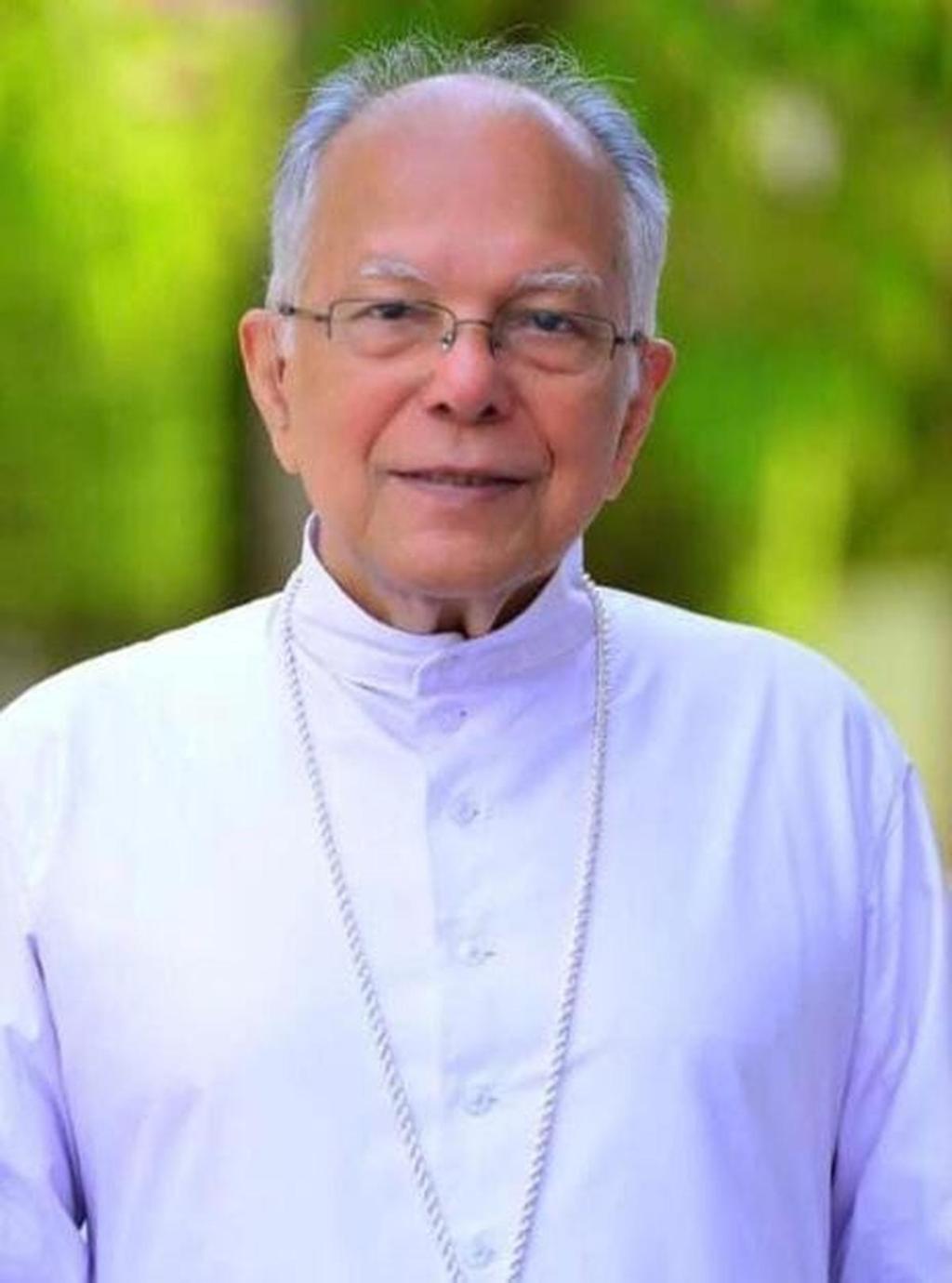
- Born 13 December 1930 at Vilakkumadam, in what is now the Eparchy of Pala (Kerala). His parents were Kurian and Rosa Thoomkuzhy.
- He joined the minor seminary at Changanassery at a young age; was often noted as the youngest seminarian.
- Studied philosophy at the major seminary in Aluva (Mangalapuzha Seminary) and theology in Rome.
- Ordained a priest on 22 December 1956 in Rome.
- After ordination, returned to India; served in roles such as Secretary to the Bishop and Chancellor of the Diocese of Tellicherry, and Rector of minor seminary, before being appointed bishop.
Episcopal Ministry & Positions
- On 1 May 1973, he was consecrated and installed as the first Bishop of Mananthavady, a new diocese.
- In 1995, he was transferred to the Diocese of Thamarassery.
- Shortly after, he was appointed Metropolitan Archbishop of Thrissur (Trichur), serving from 1996-97 until his retirement in 2007.
Key Contributions & Legacy
- He was founder of the Society of Kristhu Dasi (SKD) — a congregation focused on pastoral and social service.
- Under his leadership, many educational and health institutions were established or strengthened. For example:
- Jubilee Mission Medical College and Research Institute (Thrissur)
- Jyothi Engineering College, Cheruthuruthy
- Marymatha Major Seminary, among others.
- Known for his humility, pastoral zeal, simplicity. Widely respected for maintaining unity in his diocese, promoting harmony among clergy and laity.
Later Years & Death
- After retiring as Archbishop of Thrissur in 2007, he lived in a seminary and continued to be involved spiritually and in prayer.
- He passed away on 17 September 2025, at age 94, after being treated for age-related ailments at Jubilee Mission Hospital, Thrissur.
What is Known / Documented
- Society of KristuDasis (SKD)
One of his concrete spiritual / practical legacies is founding the Society of KristuDasis (SKD) in 1977 when he was Bishop of Mananthavady. The charism is “servanthood to Christ”. It was established to address the needs—spiritual, educational, social—of local parish communities, especially those that were backward in one or more of those areas. - Institute of Theology, DBCLC, Trichur
As Archbishop of Trichur, he canonically erected the Institute of Theology under the Archdiocesan Biblical Catechetical Liturgical Centre (D.B.C.L.C). This came into effect on 1 January 2002. The Institute offers theological and pastoral formation to laity, religious, and catechists. - Spiritual & Pastoral Style
- He is often described as someone whose writings/reflections (when available) combine spiritual insight with practical wisdom—not purely academic theology, but accessible to clergy and laity alike.
- His pastoral outlook includes care for the marginalized, service, education, upliftment of backward regions, etc. Founding congregations or societies oriented toward actual service rather than only liturgical or doctrine-teaching. (E.g. SKD to serve local people in need.)
- Endorsements & Writings in Other Works
Though not many works by him are listed, he has contributed forewords or felicitation messages (e.g. in books about other spiritual figures). For example, in Fr. Bilju Vazhappilly Book (about Venerable John Ukken), he writes about holiness and the role of Christian ministry.
Impact / Influence
Here are some ways in which people and institutions say he has made a lasting impact:
- Formation of Clergy & Laity
Establishing structures like the Institute of Theology and strengthening catechetical / liturgical centers means many priests, religious, catechists, and lay people got formation under his direction. The ripple effect is that many of them have gone on to implement his vision in various parishes. - Institutional Growth
The educational, health, and social service institutions founded or supported by him have had long-term influence in Kerala. They not only serve people but shape societal attitudes (towards education, health, service). While this is more “action” than writing, it often reflects theological and spiritual vision in practice. - Spiritual Guidance & Example
Even in retirement, his style of life—humility, pastoral concern, closeness to people—was much noted. His approach was not one of authoritarian hierarchy but of shepherding. People often refer to his personal presence, his preaching, his way of enabling others, as part of his spiritual legacy. - Promotion of Local Religious Life
Through founding SKD, encouraging congregations suited to the local context, he fostered local vocations, religious communities tied to specific regional needs. This is seen as important in ensuring that the Church is rooted in local culture and needs.
 Nelson MCBS
Leave a comment