
Introduction
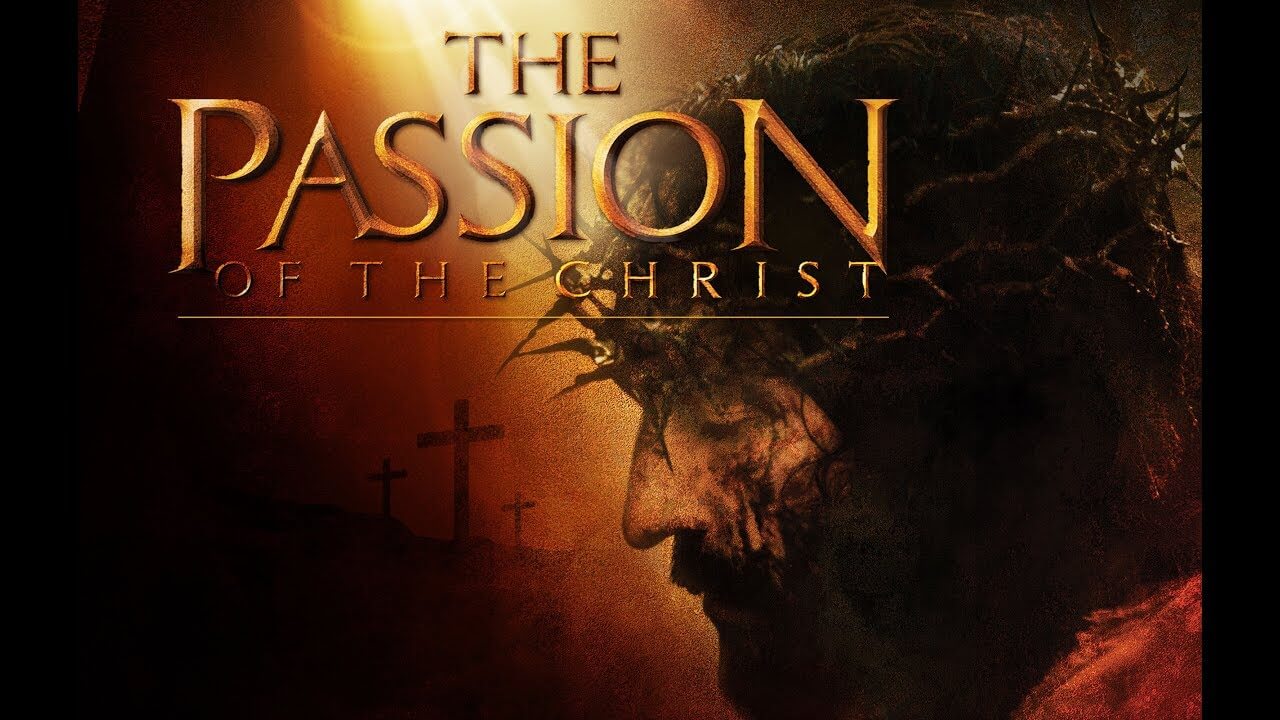
Few films in modern cinema have generated as much discussion, devotion, controversy, and emotional impact as The Passion of the Christ (2004). Directed by Mel Gibson, the film presents the final twelve hours of the earthly life of Jesus Christ, beginning with His agony in the Garden of Gethsemane and culminating in His crucifixion and resurrection. More than a historical drama, the film is a deeply spiritual meditation on Christ’s redemptive suffering.
Released on Ash Wednesday, February 25, 2004, the movie became a worldwide phenomenon. Produced independently on a modest budget of approximately $30 million, it earned over $600 million globally, making it the highest-grossing Christian film and one of the most successful independent films ever made. Its impact extended far beyond the box office, inspiring countless believers to revisit the Gospel accounts of Christ’s Passion while also provoking significant theological and cultural debate.
The Vision Behind the Film
Mel Gibson, a committed Christian with a profound devotion to the Passion of Christ, envisioned a film that would portray the suffering of Jesus with historical realism and emotional intensity. Rather than producing a conventional biblical epic, Gibson sought to immerse viewers in the physical, emotional, and spiritual agony endured by Christ for the salvation of humanity.
One of the film’s most distinctive features is its use of the ancient languages spoken during the time of Jesus. The dialogue is delivered almost entirely in reconstructed Aramaic, Hebrew, and Latin, with subtitles added for audiences. This artistic choice enhances the historical authenticity and draws viewers into first-century Judea.
The Story
Unlike many films about Jesus that cover His entire ministry, The Passion of the Christ focuses exclusively on the final hours before His death.
The film opens in the Garden of Gethsemane, where Jesus prays in deep anguish after the Last Supper. Satan tempts Him to abandon His mission, but Jesus freely accepts the Father’s will. Judas Iscariot betrays Him with a kiss, leading to His arrest.
Jesus is brought before the Jewish religious authorities, who accuse Him of blasphemy. He is then handed over to the Roman governor, Pontius Pilate. Pilate finds no crime deserving death but yields to the demands of the crowd and orders Jesus to be scourged and crucified.
The film vividly portrays the brutal scourging at the pillar, the crowning with thorns, the carrying of the cross to Golgotha, and the crucifixion itself. Along the way, Jesus encounters His mother Mary, Simon of Cyrene, Veronica (a character drawn from Christian tradition), and the women of Jerusalem.
The movie concludes with a brief yet profoundly significant scene of the Resurrection. The risen Christ emerges from the tomb, silently affirming that suffering and death have been conquered.
Outstanding Performances
Jim Caviezel as Jesus Christ
Jim Caviezel delivers one of the most memorable portrayals of Jesus in cinematic history. His performance relies less on lengthy dialogue and more on expressive silence, compassion, endurance, and unwavering obedience to the Father’s will.
Caviezel reportedly endured numerous physical hardships during filming, including injuries caused by the demanding production. His portrayal captures both the humanity and divinity of Christ, presenting Him as a suffering servant who willingly embraces the cross.
Maia Morgenstern as Mary
Maia Morgenstern’s portrayal of the Blessed Virgin Mary is deeply moving. Her quiet dignity, maternal sorrow, and steadfast faith communicate the mystery of the Mother who accompanies her Son to Calvary. The recurring flashbacks to Jesus’ childhood beautifully illustrate the intimate bond between Mother and Son.
Monica Bellucci as Mary Magdalene
Mary Magdalene is portrayed with tenderness and gratitude, emphasizing the transforming power of Christ’s mercy.
Rosalinda Celentano as Satan
One of the film’s most striking artistic choices is the unsettling portrayal of Satan. Rather than appearing monstrous, Satan is presented as eerily calm, observing Christ’s suffering while attempting to undermine His mission through fear, despair, and deception.
Historical and Biblical Sources
The screenplay draws primarily from the four canonical Gospels:
- Matthew
- Mark
- Luke
- John
However, Gibson also incorporates elements from Christian devotional tradition, particularly the mystical visions of Blessed Anne Catherine Emmerich, whose writings provide additional details about Christ’s Passion.
While not every scene is explicitly found in Scripture, the film remains fundamentally rooted in the biblical narrative.
Artistic Excellence
Cinematography
The cinematography by Caleb Deschanel creates a visual atmosphere that alternates between darkness and light, reflecting the spiritual battle unfolding during Christ’s Passion.
The use of slow motion, close-up shots, and carefully composed imagery transforms many scenes into visual meditations rather than mere action sequences.
Music
John Debney’s musical score is one of the film’s greatest strengths. Blending Middle Eastern musical traditions with orchestral composition, the soundtrack intensifies the emotional and spiritual experience without overwhelming the narrative.
Makeup and Special Effects
The makeup team achieved remarkable realism in depicting the wounds inflicted during the scourging and crucifixion. Although difficult to watch, these effects reinforce the Gospel truth that Christ truly suffered in His human body.
Theological Themes
The Immensity of Divine Love
At its heart, the film proclaims the immeasurable love of God.
Jesus does not suffer because He is powerless but because He freely chooses to offer Himself for humanity’s salvation.
As Scripture declares:
“Greater love has no one than this, that someone lay down his life for his friends.” (John 15:13)
The Reality of Sin
The brutality of the Passion serves as a reminder of the gravity of sin. Every blow inflicted upon Christ symbolizes the destructive consequences of humanity’s rebellion against God.
Redemptive Suffering
The film powerfully illustrates the Catholic understanding of redemptive suffering. Christ transforms suffering into an instrument of salvation.
His Cross becomes not merely a symbol of death but the throne of victory.
Forgiveness
Even amidst unimaginable pain, Jesus forgives:
“Father, forgive them, for they know not what they do.”
This remains one of the most powerful moments in Christian history.
Controversies
No discussion of The Passion of the Christ is complete without acknowledging the controversies surrounding it.
Some critics argued that the film’s intense violence was excessive, while others expressed concern about its portrayal of certain Jewish leaders, fearing it might reinforce harmful stereotypes. Many Christian leaders, however, defended the film, emphasizing that the crucifixion should never be attributed collectively to the Jewish people. Catholic teaching clearly rejects antisemitism and teaches that Christ’s Passion resulted from the sins of all humanity. The film thus became the subject of both acclaim and criticism, with audiences often responding more positively than many professional reviewers.
Spiritual Impact
For millions of Christians, The Passion of the Christ became more than a movie—it became an experience of prayer.
Many viewers reported:
- Renewed appreciation for Christ’s sacrifice.
- Greater devotion during Holy Week.
- Increased participation in the Sacrament of Reconciliation.
- A deeper understanding of the Eucharist.
- Stronger commitment to Christian discipleship.
Numerous churches organized group viewings followed by Bible studies and reflections on the Stations of the Cross.
Critical Reception
Professional critics offered sharply divided opinions. Some praised the film’s artistic ambition, historical atmosphere, performances, and musical score, while others criticized its relentless depiction of violence and raised concerns about aspects of its portrayal of the Passion narrative. Despite these mixed reviews, audiences responded enthusiastically, and the film achieved extraordinary commercial success and lasting influence within faith-based cinema.
Legacy
More than two decades after its release, The Passion of the Christ remains one of the most influential religious films ever made. It demonstrated that faith-based cinema could achieve both artistic excellence and commercial success, inspiring a new generation of filmmakers to produce works rooted in biblical themes.
Mel Gibson has also announced a sequel, The Resurrection of the Christ, focusing on Jesus’ resurrection and the events that followed His crucifixion.
Lessons for Christians Today
The Passion of Christ invites every believer to reflect on several enduring truths:
- Christ’s love is sacrificial.
- Sin has real consequences.
- Forgiveness is stronger than hatred.
- Hope triumphs over despair.
- The Cross is the pathway to Resurrection.
- God’s mercy is greater than human failure.
These lessons remain as relevant today as they were two thousand years ago.
Conclusion
The Passion of the Christ is not an easy film to watch, nor was it intended to be. Its uncompromising portrayal of Christ’s suffering confronts viewers with the immense cost of redemption and the depth of God’s love for humanity. While its graphic realism and interpretive choices have prompted ongoing discussion, the film has also led countless people to deeper prayer, renewed faith, and a fresh appreciation of the mystery at the heart of Christianity.
Ultimately, the film reminds us that the Cross is not the end of the story. The final image of the risen Christ proclaims the central truth of the Christian faith: love is stronger than death, mercy triumphs over sin, and through the Resurrection, hope is offered to the whole world.
Leave a Reply