
Part I: The Vision Behind Mel Gibson’s Masterpiece and the Biblical Foundations of Christ’s Passion
“He was pierced for our transgressions, He was crushed for our iniquities; upon Him was the chastisement that brought us peace, and with His wounds we are healed.” — Isaiah 53:5
Introduction
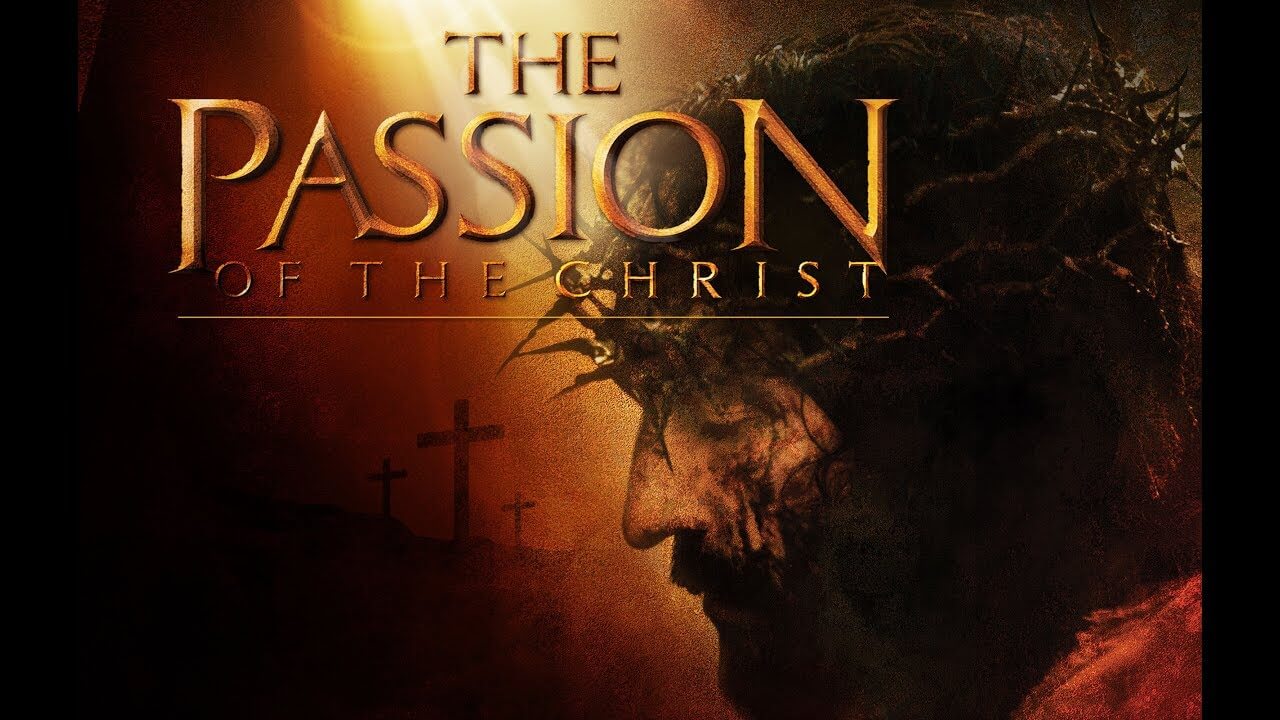
Among all films ever made about the life of Jesus Christ, few have left as profound an impact as The Passion of the Christ (2004), directed by Mel Gibson. More than a historical drama or cinematic retelling of the final hours of Jesus, the film is an intense meditation on the mystery of divine love revealed through suffering. It confronts viewers with the harsh reality of the Cross while inviting them to contemplate the immeasurable mercy of God.
Released on Ash Wednesday in 2004, the film quickly became a global phenomenon. Produced independently with a modest budget, it surpassed expectations by becoming one of the highest-grossing religious films in history. Yet its true significance lies not in financial success but in its spiritual influence. Across the world, churches organized special screenings, Bible studies, and retreats centered on the film. Many viewers testified that it deepened their appreciation of Christ’s sacrifice, rekindled their faith, and led them to prayer, repentance, and the Sacrament of Reconciliation.
Unlike many earlier cinematic portrayals of Jesus, which focused on His teachings and miracles, The Passion of the Christ narrows its attention almost entirely to the final twelve hours of His earthly life—from His agony in the Garden of Gethsemane to His crucifixion and the triumphant glimpse of the Resurrection. This focused narrative allows the viewer to enter deeply into the mystery at the heart of Christianity: the redemptive suffering of the Son of God.
This study explores the film from both theological and cinematic perspectives, examining its fidelity to Scripture, its use of Christian tradition, its artistic achievements, and its enduring spiritual message.
The Cross at the Heart of Christianity
Christianity is unique among the world’s religions in placing the suffering and death of its Founder at the very center of its message. The Cross is not merely a tragic end to the life of Jesus; it is the decisive act of God’s saving love.
According to the New Testament, humanity had become estranged from God through sin. Throughout salvation history, God prepared His people through covenants, prophets, sacrifices, and promises. All these pointed toward the coming of the Messiah, who would reconcile humanity to the Father.
Jesus Himself repeatedly foretold His Passion:
“The Son of Man came not to be served but to serve, and to give His life as a ransom for many.” (Mark 10:45)
The Cross was therefore neither an accident nor a political failure. It was the fulfillment of God’s eternal plan of salvation.
Mel Gibson’s film embraces this theological vision from its opening scene. Every event is portrayed not as random violence but as the unfolding of divine providence.
Mel Gibson’s Vision
Mel Gibson approached The Passion of the Christ not simply as a filmmaker but as a believer profoundly moved by the mystery of Christ’s sacrifice.
His stated goal was to portray the Passion with realism while remaining faithful to the Gospel accounts and the spiritual traditions of the Church. Rather than creating a conventional Hollywood spectacle, Gibson sought to immerse viewers in the emotional, physical, and spiritual dimensions of Christ’s suffering.
One of his boldest artistic decisions was to film the dialogue almost entirely in reconstructed Aramaic, Hebrew, and Latin. Although subtitles were necessary, this choice gave the film an extraordinary sense of historical authenticity. It also removed modern distractions, allowing audiences to feel transported into first-century Judea.
The visual style is equally distinctive. The muted colors, dramatic lighting, and carefully composed imagery evoke classical religious art. Many scenes resemble Renaissance paintings brought to life, inviting contemplation rather than mere observation.
The Sources Behind the Film
Although the four canonical Gospels form the foundation of the screenplay, the film also draws upon centuries of Christian meditation on the Passion.
The Four Gospels
The primary source is Sacred Scripture.
Each Evangelist contributes unique details:
- Matthew emphasizes the fulfillment of Old Testament prophecy.
- Mark presents Jesus as the suffering Messiah.
- Luke highlights Christ’s mercy and compassion.
- John reveals Jesus as the victorious Son of God who freely offers Himself.
Mel Gibson carefully weaves these complementary perspectives into a unified narrative.
The Old Testament
One of the greatest strengths of the film is its constant allusion to Old Testament prophecy.
Isaiah’s Suffering Servant forms the theological backbone of the story:
“Surely He has borne our griefs and carried our sorrows.”
Psalm 22 echoes throughout the crucifixion:
“They divide my garments among them.”
The Passover lamb, sacrificed in Exodus, foreshadows Christ as the Lamb of God.
Abraham’s willingness to sacrifice Isaac prefigures the Father’s offering of His only Son.
Thus, the Passion is presented not as an isolated historical event but as the culmination of salvation history.
Christian Tradition and Mystical Sources
Some scenes in the film are not found explicitly in Scripture.
Examples include:
- Veronica wiping the face of Jesus.
- Satan carrying an eerie infant.
- Certain details during the scourging.
- Expanded interactions between Jesus and His Mother.
These elements derive largely from centuries of Christian devotion, especially the mystical writings of Blessed Anne Catherine Emmerich (1774–1824), whose visions of Christ’s Passion influenced Gibson’s imagination.
While private revelations do not belong to the deposit of faith and are not binding on Catholics, they have often inspired artists to contemplate aspects of Christ’s suffering in ways that complement the biblical narrative. Gibson uses these traditions artistically rather than presenting them as Scripture.
Why So Much Violence?
Perhaps the most discussed feature of The Passion of the Christ is its graphic depiction of violence.
Many viewers found the scourging and crucifixion almost unbearable to watch.
Why did Gibson choose such realism?
His purpose was theological rather than sensational. He wanted audiences to confront the true cost of sin and the depth of Christ’s self-giving love. Modern depictions of the crucifixion often soften its brutality, but Roman execution by crucifixion was intentionally cruel and humiliating.
The Gospels describe these events with remarkable restraint. Gibson attempts to visualize what those brief descriptions imply. Whether one agrees with every artistic choice, the film insists that redemption was not achieved through a symbolic gesture but through the real suffering of the incarnate Son of God.
For Christians, this suffering is not an end in itself. It is the visible expression of divine love. As St. Paul writes:
“God proves His love for us in that while we still were sinners Christ died for us.” (Romans 5:8)
The Opening Scene: Gethsemane
The film begins not with the Last Supper but with Jesus praying in the Garden of Gethsemane.
This choice is deeply significant.
Gethsemane is where the Passion truly begins. Before any Roman soldier strikes Him, Jesus experiences profound spiritual anguish. He knows the suffering that awaits Him and freely accepts the Father’s will.
The Gospel of Luke records that:
“His sweat became like drops of blood falling down upon the ground.”
Medical science recognizes a rare condition known as hematidrosis, in which extreme emotional stress can cause blood vessels surrounding the sweat glands to rupture. Whether understood medically or symbolically, the Gospel emphasizes the intensity of Christ’s agony.
In the film, Satan appears in the garden, whispering doubts and temptations. This scene is not a literal Gospel account but a dramatic representation of the spiritual battle between good and evil. Jesus crushes the serpent beneath His foot, recalling the promise of Genesis 3:15 that the offspring of the woman would defeat the ancient enemy.
This opening immediately establishes the film’s central theme: the Passion is not merely a conflict between Jesus and human authorities but the decisive confrontation between the Kingdom of God and the powers of sin and death.
The Humanity of Christ
One of the film’s greatest theological achievements is its portrayal of both the humanity and divinity of Jesus.
He experiences fear, exhaustion, grief, pain, and loneliness. Yet He remains perfectly obedient to the Father.
This reflects the Church’s teaching that Jesus possesses both a fully divine and a fully human nature. His suffering was not an illusion. He truly felt every wound, every insult, and every moment of abandonment.
At the same time, His divinity shines through His unwavering love, His serenity in the midst of suffering, and His continual concern for others—even those who persecute Him.
The Cross reveals not weakness but victorious love.
Preparing the Viewer for the Journey to Calvary
The opening section of The Passion of the Christ prepares viewers for a journey unlike any ordinary historical drama. Every scene is charged with theological meaning. Every character represents a response to Christ—faith, betrayal, fear, hatred, repentance, or love.
The viewer is invited not merely to watch the events unfold but to ask a deeply personal question:
Where do I stand in this story?
Am I like Judas, who betrays Jesus?
Like Peter, who denies Him but repents?
Like Pilate, who knows the truth but compromises?
Like Simon of Cyrene, who reluctantly carries the Cross?
Or like Mary, who remains faithful even in unbearable sorrow?
The film challenges each viewer to recognize that the Passion is not only an event of the past but a living reality that calls every generation to conversion, discipleship, and hope.
Conclusion
The opening movements of The Passion of the Christ establish the film as far more than a historical reconstruction. Rooted in Scripture, enriched by Christian tradition, and shaped by profound theological reflection, it invites viewers into the mystery of Christ’s redemptive love. From the Garden of Gethsemane onward, every scene points toward the Cross—not as a symbol of defeat, but as the place where God’s justice and mercy meet.
In Part II, we will journey with Jesus through His betrayal, arrest, and trials before Annas, Caiaphas, and Pontius Pilate. We will examine the theological meaning of Judas’s despair, Peter’s denial, the role of the Jewish and Roman authorities, and the profound lessons these events offer to Christians today.
Leave a Reply