
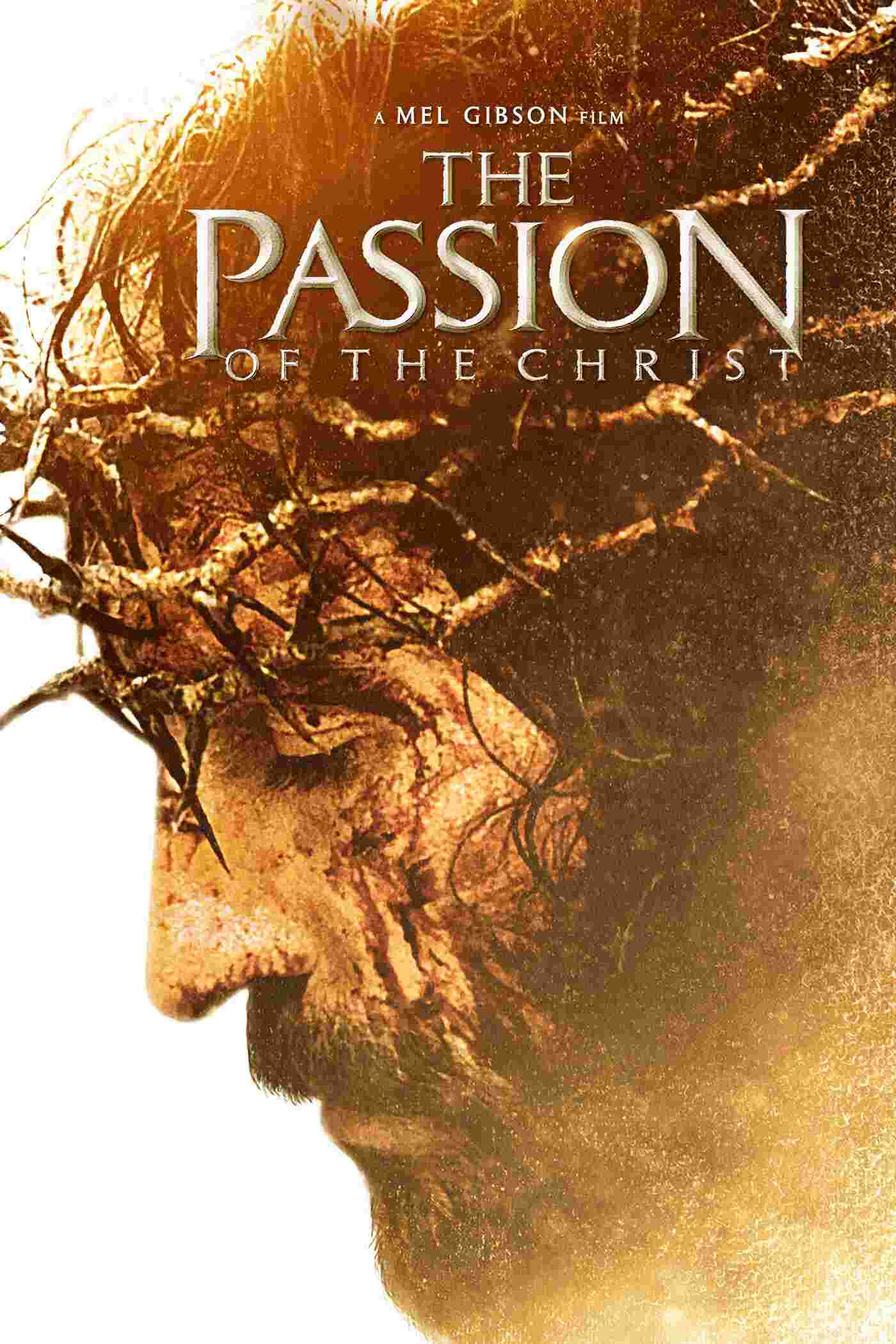
Part II: Betrayal, Arrest, and the Trials of Jesus – The Drama of Human Sin and Divine Mercy
“Then they seized Him and led Him away.” — Luke 22:54
Introduction
Having accepted the Father’s will in the Garden of Gethsemane, Jesus now enters the second stage of His Passion. The events that unfold—from Judas’ betrayal to the trials before the Jewish authorities and Pontius Pilate—reveal the tragic consequences of human sin while simultaneously manifesting the immeasurable mercy of God.
Mel Gibson presents these scenes not merely as historical episodes but as profound theological dramas. Every character becomes a mirror in which viewers can examine their own hearts. The disciple who betrays, the disciple who denies, the judge who compromises, the leaders who reject the truth, and the innocent Savior who silently embraces suffering—all remain strikingly relevant to every generation.
Judas Iscariot: The Tragedy of Despair
The Passion narrative begins with one of history’s greatest betrayals.
Judas Iscariot, one of the Twelve chosen personally by Jesus, arrives in Gethsemane accompanied by temple guards. The sign of identification is heartbreaking in its irony—a kiss, a gesture normally expressing affection and loyalty.
“Judas, would you betray the Son of Man with a kiss?” (Luke 22:48)
Mel Gibson captures this moment with remarkable restraint. Jesus does not react with anger or hatred. His words convey sorrow rather than condemnation.
The tragedy of Judas is not merely that he betrayed Christ but that he lost hope in God’s mercy.
The Gospel records that Judas experienced remorse after seeing Jesus condemned. He returned the thirty pieces of silver and confessed:
“I have sinned by betraying innocent blood.” (Matthew 27:4)
Yet remorse alone is not repentance.
True repentance turns toward God. Judas turned inward, allowing guilt to become despair. Unable to believe that forgiveness was possible, he ended his own life.
Gibson visually portrays Judas’s descent into despair through haunting imagery. His overwhelming guilt becomes fertile ground for demonic torment. The disturbing visions that pursue him are artistic representations of the spiritual reality that despair can become one of Satan’s greatest weapons.
The Church distinguishes between repentance, which opens the soul to grace, and despair, which closes the heart to God’s mercy. Judas reminds believers that no sin is greater than God’s forgiveness, provided one returns to Him with a contrite heart.
Peter’s Denial: The Failure That Leads to Grace
Judas is not the only disciple who fails.
Peter, the bold apostle who had confidently declared,
“Even if all fall away, I never will.”
soon discovers the weakness of human courage.
As Jesus had foretold, Peter denies knowing Him three times before the rooster crows.
Gibson portrays these scenes with extraordinary emotional depth. Peter’s fear is understandable. His Master has been arrested, and association with Him could mean imprisonment or death.
Yet the turning point comes when Jesus looks directly at Peter.
No words are spoken.
That single glance becomes one of the most powerful moments in the entire film.
It is not a look of accusation.
It is a look of love.
Peter immediately remembers Jesus’ prophecy and breaks down in bitter tears.
Unlike Judas, Peter allows his failure to become the beginning of conversion.
The difference between the two disciples is not that one sinned and the other did not. Both sinned gravely.
The difference lies in their response.
Judas chose despair.
Peter chose repentance.
This distinction remains central to Christian spirituality. Saints are not people who never fall; they are sinners who continually return to Christ.
The Arrest of Jesus: Divine Power Hidden in Humility
The arrest in Gethsemane demonstrates one of the great paradoxes of the Gospel.
Jesus appears weak.
Yet He is completely in control.
According to John’s Gospel, when Jesus declares,
“I am He,”
the soldiers fall backward to the ground.
The divine name echoes through these words, revealing that Christ is not captured because His enemies overpower Him.
He freely surrenders Himself.
This fulfills His own teaching:
“No one takes my life from me, but I lay it down of my own accord.” (John 10:18)
The film beautifully emphasizes this truth.
Jesus willingly stretches out His hands to be bound.
The One who created the universe allows Himself to be tied by human hands.
The Creator submits to His creatures.
The Judge allows Himself to be judged.
The King accepts chains in order to free humanity from the bondage of sin.
Malchus and the Healing of an Enemy
When Peter draws his sword and strikes the servant of the high priest, cutting off his ear, Jesus immediately intervenes.
He commands Peter to put away the sword.
Then He heals Malchus.
This miracle, unique to Luke’s Gospel, receives careful attention in the film.
Even while being arrested, Jesus continues His ministry of healing.
His concern is not revenge but restoration.
This episode teaches an enduring Christian principle.
Violence cannot establish God’s Kingdom.
Christ conquers not through force but through sacrificial love.
The Trial Before Annas and Caiaphas
Jesus is first brought before Annas and then before Caiaphas, the high priest.
Historically, these proceedings reveal numerous irregularities.
The trial takes place at night.
Witnesses contradict one another.
The verdict appears predetermined.
Instead of conducting an impartial investigation, many members of the council seek evidence to justify a sentence already decided.
The central accusation concerns Jesus’ identity.
When asked whether He is the Son of God, Jesus answers affirmatively.
For the religious leaders, this constitutes blasphemy.
For Christians, it is the supreme revelation of truth.
The irony is profound.
The One who is Truth itself is condemned for telling the truth.
Mel Gibson effectively contrasts the calm dignity of Jesus with the growing fury of His accusers.
The more violently they react, the more serene Christ becomes.
His silence fulfills Isaiah’s prophecy:
“Like a lamb that is led to the slaughter… He opened not His mouth.”
This silence is not weakness.
It is majestic confidence.
Jesus has nothing to prove.
Truth ultimately requires no defense before falsehood.
The Mocking of Christ
Following His condemnation by the Sanhedrin, Jesus is blindfolded, struck, spat upon, and mocked.
The soldiers demand:
“Prophesy! Who struck You?”
The scene is painful because it reveals humanity at its worst.
The Son of God, who gave sight to the blind, is Himself blindfolded.
The One who healed broken bodies is beaten without mercy.
The One who blessed His enemies receives only insults in return.
Yet throughout the abuse, Jesus never responds with hatred.
The film repeatedly reminds viewers that divine love remains steadfast even when rejected.
Mary: The Mother Who Never Leaves
One of Gibson’s most moving artistic contributions is his portrayal of the Blessed Virgin Mary.
Although the Gospels often describe events briefly, the film imaginatively explores Mary’s interior participation in her Son’s suffering.
As Jesus is led through the streets, Mary follows quietly.
Flashbacks to Christ’s childhood contrast moments of maternal joy with present sorrow.
One particularly touching sequence recalls the young Jesus falling while running as a child. Mary rushes to comfort Him.
The film then shifts to Calvary, where the adult Jesus falls beneath the Cross.
Again, His Mother hastens toward Him.
The theological message is unmistakable.
From Bethlehem to Calvary, Mary’s vocation remains unchanged.
She is always the Mother who accompanies her Son.
Catholic tradition calls her Our Lady of Sorrows, not because suffering defines her, but because her love remains faithful amid suffering.
She shares in Christ’s mission not as an equal Redeemer but as the first and greatest disciple.
Pontius Pilate: The Tragedy of Compromise
The Roman governor Pontius Pilate emerges as one of the film’s most psychologically complex characters.
Unlike the religious leaders, Pilate appears unconvinced of Jesus’ guilt.
He repeatedly declares:
“I find no fault in Him.”
Yet he ultimately orders the crucifixion.
Why?
Because political pressure outweighs moral conviction.
Pilate fears public unrest.
He fears losing favor with Caesar.
He fears making the wrong political decision.
In trying to satisfy everyone, he abandons justice.
His symbolic washing of hands cannot erase responsibility.
The film portrays Pilate not as a monster but as an ordinary man who lacks the courage to defend the truth.
His weakness remains relevant today.
Many people recognize what is right yet remain silent because of fear, popularity, career, or convenience.
Pilate reminds Christians that neutrality in the face of truth often becomes cooperation with injustice.
Claudia Procula: A Voice of Conscience
Pilate’s wife occupies only a small role in the Gospel of Matthew, yet Gibson expands her character with remarkable sensitivity.
She warns her husband:
“Have nothing to do with that righteous man.”
Her dream symbolizes the voice of conscience calling for justice.
Throughout history, God has often spoken through unexpected people.
Pilate hears the warning.
Yet he ignores it.
Truth rejected always carries consequences.
The Choice Between Jesus and Barabbas
One of the most dramatic moments occurs when Pilate offers the crowd a choice.
Jesus.
Or Barabbas.
The crowd chooses Barabbas.
This decision carries profound symbolic meaning.
Humanity repeatedly chooses violence over peace.
Sin over holiness.
Self-interest over truth.
Yet even here, grace shines through.
Barabbas, a guilty man, goes free.
Jesus, the innocent One, takes his place.
This is the Gospel in miniature.
Christ dies so that sinners may live.
Barabbas becomes an image of every redeemed believer.
The Crown of Thorns
Roman soldiers mock Jesus by dressing Him as a king.
They place a scarlet robe upon Him.
They weave together a crown of thorns.
They kneel in false homage.
“Hail, King of the Jews!”
What they intend as ridicule becomes profound truth.
Jesus truly is King.
But His kingdom is unlike earthly kingdoms.
His crown is made of suffering.
His throne is the Cross.
His victory comes through self-sacrificing love.
The irony runs throughout the Passion narrative: those who mock Christ unknowingly proclaim His true identity.
Lessons for Every Christian
The events leading to Calvary reveal timeless spiritual lessons.
Judas warns against despair.
Peter teaches the power of repentance.
Pilate exposes the danger of compromising truth.
Mary exemplifies faithful discipleship.
Jesus reveals that authentic strength is found not in domination but in humble obedience to the Father.
Every believer is invited to ask: Which character most resembles my own response to Christ? The Passion is not merely history to be remembered but a living call to conversion.
Conclusion
The betrayal, arrest, and trials of Jesus expose both the darkness of the human heart and the brilliance of divine mercy. Friends fail, leaders manipulate justice, crowds surrender to fear, and political power yields to expediency. Yet through it all, Christ remains steadfast, freely embracing the path that leads to Calvary.
Far from being defeated, Jesus advances with sovereign purpose toward the fulfillment of the Father’s saving plan. Every accusation, every denial, and every act of injustice becomes part of the mystery through which God will reconcile the world to Himself.
In Part III, we will accompany Jesus through the scourging at the pillar, the crowning with thorns, the carrying of the Cross, the encounters with Simon of Cyrene, Veronica, the women of Jerusalem, and the Blessed Virgin Mary, exploring how these scenes reveal the mystery of redemptive suffering and the call to discipleship.
Leave a Reply