

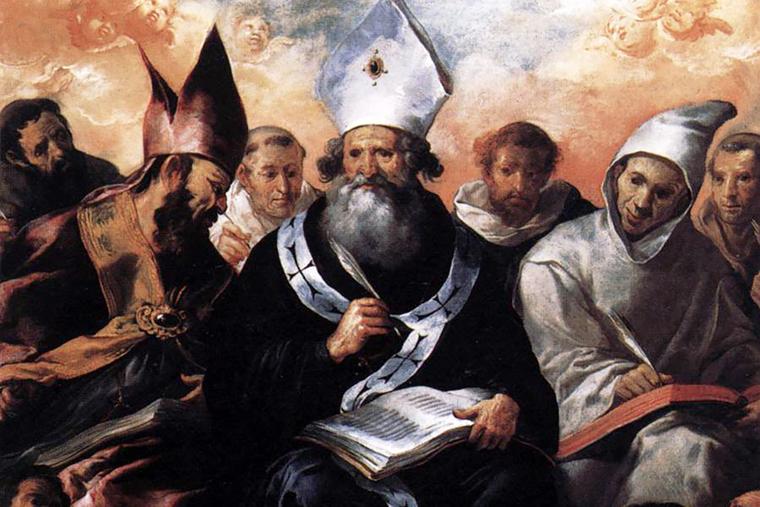
Lent in the Vision of Saint Basil the Great
Lent, in the vision of St. Basil the Great, is not merely a period of ritual abstinence or external discipline, but a profound return of the whole human person to God. For Basil, fasting is inseparable from repentance, mercy, and the restoration of communion with both God and neighbor. He insists that Lent is a therapeutic season, a sacred time given by God for the healing of the soul wounded by sin and distracted by excess. Thus, Lent is not an imposed burden but a divine medicine, tailored for humanity’s spiritual recovery.
At the heart of Basil’s Lenten theology lies his understanding of the human person as created for communion. Sin, in his view, fragments this communion—first with God, then with others, and finally within oneself. Fasting, therefore, is not an end in itself. Basil warns that abstaining from food while continuing injustice, anger, or pride empties fasting of its meaning. True fasting, he teaches, is the fasting of the eyes from impurity, the tongue from slander, the hands from violence, and the heart from hatred. Lent becomes a school of interior transformation rather than a display of ascetic achievement.
Basil strongly links Lent with charity and social responsibility. In his homilies, he repeatedly condemns those who fast rigorously yet ignore the poor. For him, the food withheld from the table of the rich belongs by right to the hungry. Lent, therefore, is the season when stored wealth is transformed into mercy. Almsgiving is not optional but constitutive of authentic fasting. Basil’s vision is strikingly concrete: the hungry person is Christ standing at the door, and the success of one’s Lent is measured by the relief given to the suffering neighbor.
Prayer occupies a central place in Basil’s Lenten spirituality. Fasting without prayer, he argues, weakens the soul rather than strengthening it. Through prolonged prayer, psalmody, and silence, the believer learns attentiveness to God’s presence. Basil views Lent as a time when the soul becomes lighter, freed from the heaviness of indulgence, and thus more capable of contemplation. Prayer during Lent is not merely petition but a reorientation of desire teaching the heart to long for God more than for comfort or pleasure.
Ecclesial life is another essential dimension of Basil’s understanding of Lent. He never conceives asceticism as an isolated, individual endeavor. Lent is lived within the Church, through common prayer, shared discipline, and mutual accountability. Basil’s monastic vision deeply influenced this ecclesial approach: the struggle of one believer strengthens the whole body. Lent thus becomes a communal pilgrimage toward Pascha, where the Church together passes from death to life.
Finally, for Basil the Great, Lent is always oriented toward resurrection. Ascetic struggle without hope would be unbearable, but Lent is sustained by the joy of the coming victory of Christ. The disciplines of Lent train the believer to die daily to sin so as to rise renewed in Christ. Basil sees Lent as participation in Christ’s own fasting in the wilderness, a preparation to share in His triumph over death. In this way, Lent is not a season of darkness but of luminous expectation where self-denial gives birth to freedom, and repentance opens the door to divine life.
 Joseph Thekkedath Puthenkudy
 Nelson MCBS
Leave a comment