

True Religion Comes from the Heart | Mark 7: 1-13
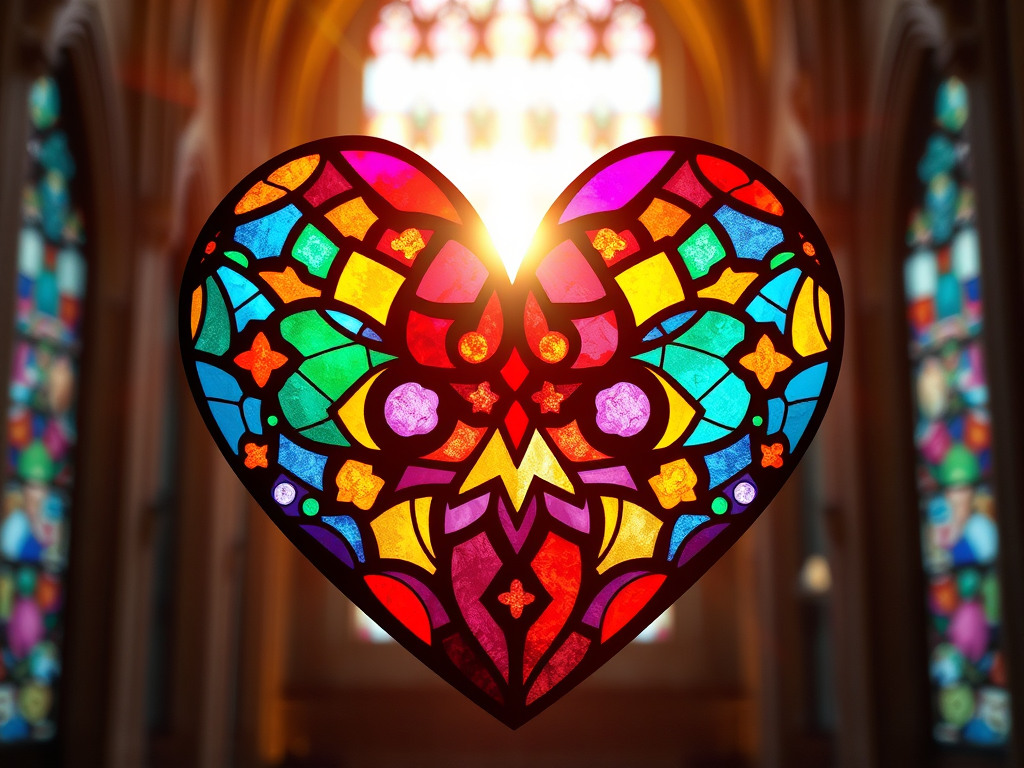
A tourist in a great cathedral admired its beautiful stained-glass windows. He visited in the daytime, and the colors were brilliant in the sunlight. Later, he returned at night, and the windows looked dark and lifeless. A guide explained: “The light must be inside for the beauty to shine through.”
Our faith practices are like those windows, without the light of God’s love inside us, they lose their meaning and beauty.
In today’s Gospel, Jesus teaches us what true religion really is: serving God and all His children with a pure and holy heart. True religion is not found in a mere scrupulous and external observance of rules, laws, traditions, and rituals. While these have their place and are often given to us by God for our growth, they are not the end goal. Rather, the heart of true religion is a loving and obedient relationship with the Lord — a relationship that transforms how we live, how we love, and how we serve.
True religion means obeying God’s commandments not out of fear or duty alone, but out of love. It means offering Him worship not just with our lips but with our lives. It means recognizing His presence in every person we meet – in the hungry, the sick, the lonely, the forgotten – and serving them with humility, compassion, and joy.
The gospel scene begins with an encounter between Jesus and a group of Pharisees and scribes sent from Jerusalem to observe Him. These were experts in the Law, tasked with testing His unique – and to them, controversial – teachings. They quickly noticed two things:
- Jesus spoke with authority, sometimes openly challenging the “Traditions of the Elders.”
- His disciples were not following one of their cherished customs – the ritual washing of hands before eating.
These religious leaders were scandalized that Jesus’ disciples did not follow the prescribed ritual washing before eating — a practice that had become, over centuries, a rigid standard. This was not about hygiene, but about a symbolic act of purification.
The origin of these customs dates back to the fifth century before Christ, when scribes began expanding upon the Law of Moses through what became known as the “Traditions of the Elders.” These were oral interpretations and practical applications intended to help Israel remain holy and distinct from their pagan neighbors, fulfilling God’s command: “You shall be to me a kingdom of priests and a holy nation” (Ex 19:6).
The Pharisees, in their zeal, insisted that all Jews observe these additions. While the original intent was noble — to sanctify daily life — over time, these human traditions began to overshadow the divine commandments they were meant to serve. But somewhere along the way, the focus shifted. Rules began to replace relationship. External observances began to matter more than the condition of the heart.
St. John Chrysostom warns against this very danger: “It is possible to be clothed in the habit of a monk, to wear the hood, to be called ‘holy,’ and yet to be far from virtue. For what does it profit, if the garment is pure, but the soul is full of uncleanness?”
Jesus uses this moment to teach several powerful lessons:
- Do not teach human rules as if they were divine law. Our faith is built upon the revealed truth of God, not on the shifting sands of man-made regulations elevated to the status of dogma.
- The heart matters more than the hands. True holiness comes from sincerity of heart, purity of intention, and a desire to please God, not from a flawless performance of outward rituals.
- The source of sin is within. It is from the heart — the center of our thoughts, desires, and choices — that evil flows. Ritual cleansing of hands does nothing to wash away pride, envy, or malice.
- External piety without inner holiness is hypocrisy. God is not impressed by our religious appearances if our hearts are far from Him.
To make His point, Jesus lists the kinds of evils that truly defile a person. He names six external acts: sexual immorality, theft, murder, adultery, greed or coveting, and wickedness in general. These are actions that destroy relationships and tear apart communities. But then He goes deeper, identifying six interior dispositions that corrupt the soul: deceit, shamelessness, envy, slander, arrogance, and folly — the moral blindness that comes from rejecting God’s wisdom.
The message is clear: righteousness is not about what we do on the outside, but who we are on the inside. A murderous act flows from a murderous heart; an adulterous act springs from an adulterous heart; unkindness comes from a heart that has grown cold.
For Jesus, the measure of a truly worshiping community is not simply its adherence to precepts and doctrines, but its living connection to God through just, loving, and righteous relationships. Such a community offers God true worship, not only with lips, but with lives transformed by His grace.
St. Teresa of Ávila once said: “God does not look at the greatness of our works, but at the love with which they are done.” This is the essence of today’s Gospel — it is the heart that matters most.
St. Paul gives us the positive image of this holiness when he lists the “fruits of the Spirit” in Galatians 5:22-23: “love, joy, peace, patience, kindness, goodness, faithfulness, gentleness, and self-control.”
Our traditions and practices in the Church are not burdens to weigh us down, but treasures to lead us into deeper union with God. They have a spirit behind them that must be preserved. For example:
· Our Sunday obligation is not simply a rule to avoid sin; it is an invitation to worship God together as a parish family, to offer our lives to Him, to seek forgiveness, to give thanks for His blessings, and to receive the life of Christ Himself in Holy Communion.
· Daily family prayers are not meant to be recited mechanically, but to become moments of gratitude, trust, reconciliation, and unity, keeping God at the heart of the home.
The danger we must avoid is becoming “cafeteria Christians” — choosing which teachings or commandments we like while ignoring the rest, as if faith were a buffet where we take only what suits our taste. The path of discipleship is not about convenience, but about total surrender to Christ, both in His commands and in His mercy.
St. Francis de Sales wisely counsels: “Do not wish to be anything but what you are, and try to be that perfectly.” For us, this means being true disciples both in the hidden life of the heart and in the visible works of our hands.
Today’s Gospel challenges us to examine our own hearts. Are our religious practices drawing us into deeper love for God and neighbor, or have they become empty motions? Do we honor God with our lips while our hearts wander elsewhere?
Let us ask the Lord, in the words of St. Augustine: “Lord, you have made us for yourself, and our hearts are restless until they rest in you.” May our hearts rest in Him, be purified by Him, and be filled with His love, so that our religion may truly come from the heart.
Amen.
✍ Fr James Abraham
Summary: Mark 7:1–13 | True Religion Comes from the Heart
Key Message
- True religion is from the heart, not just external rituals.
- Faith practices without God’s love are meaningless.
- A relationship with God should transform how we live, love, and serve.
Jesus’ Teaching
- Criticism of Pharisees: They prioritized human traditions (e.g., ritual handwashing) over God’s commandments.
- Core lessons:
- Do not elevate human rules above divine law.
- The heart matters more than ritual actions.
- Sin originates from within, not from external impurities.
- External piety without inner holiness = hypocrisy.
What Defiles a Person
- External acts: immorality, theft, murder, adultery, greed, wickedness.
- Internal dispositions: deceit, shamelessness, envy, slander, arrogance, folly.
True Holiness
- Rooted in love and obedience, not fear or mere duty.
- Worship must come from both lips and lives.
- Fruits of the Spirit (Gal. 5:22–23): love, joy, peace, patience, kindness, goodness, faithfulness, gentleness, self-control.
Role of Traditions
- Church practices are treasures when lived with the right spirit:
- Sunday obligation → communal worship, thanksgiving, Holy Communion.
- Daily family prayer → gratitude, unity, trust, reconciliation.
- Danger: becoming “cafeteria Christians” (picking only convenient teachings).
Spiritual Wisdom
- St. John Chrysostom: Outward appearance of holiness is empty without virtue.
- St. Teresa of Ávila: God values love in our works, not their greatness.
- St. Francis de Sales: Be faithful to who you are in God.
- St. Augustine: Only God can satisfy the restless heart.
Call to Action
- Examine whether religious practices deepen love for God and neighbor.
- Seek purity of heart and authentic love in both hidden life and visible actions.
 Nelson MCBS
Leave a comment