
Jesus, the New Temple of God’s Presence
Gospel: John 2:13–25
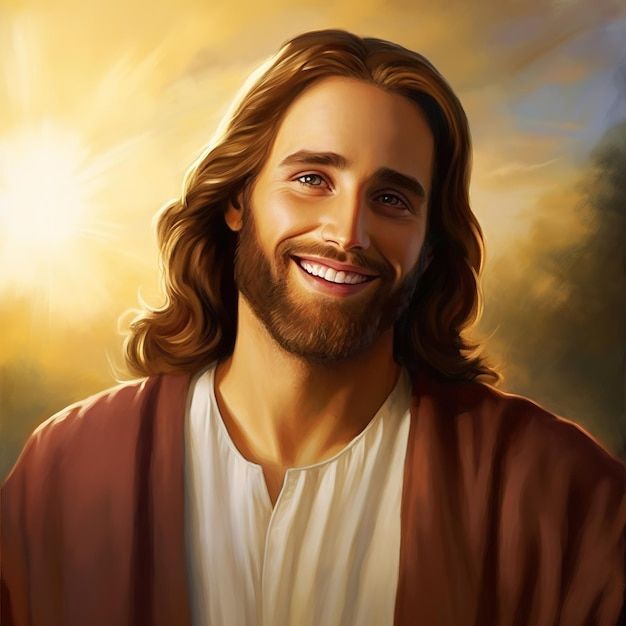
In today’s Gospel, we see a dramatic scene: Jesus enters the Temple in Jerusalem, makes a whip out of cords, drives out the merchants, and overturns the tables of the money changers. It is one of the few times in Scripture we see the Lord visibly angry. But His anger is not uncontrolled, it is not about wrath — it is about love . A love so fierce that it cannot bear to see anything unworthy of the Father’s presence.
At first glance, this seems like an episode of protest — a prophet denouncing corruption in religion. And indeed, Jesus stands in the great prophetic tradition of Israel. The prophets — Isaiah, Jeremiah, Amos, and Micah — all warned that God does not desire empty sacrifices or outward rituals without justice, mercy, and righteousness of heart. “This people honors me with their lips,” said Isaiah, “but their hearts are far from me.”
But in John’s Gospel, this act of cleansing the Temple goes even deeper. It is not only a prophetic purification — it is a revelation. Jesus is revealing who He truly is.
When the crowd challenges Jesus — “What sign can you show us?” — He gives them a mysterious answer:
“Destroy this temple, and in three days I will raise it up.” (Jn 2:19)
John does not call the mighty works of Jesus “miracles” as in the synoptic Gospels, but “signs.” Because a sign points beyond itself to a deeper reality. The changing of water into wine, the healing of the blind man, the raising of Lazarus — all these signs reveal who Jesus is.
But signs are not ends in themselves. The people in the Gospel often ask Jesus for a sign as proof — “Show us something so we can believe!” But Jesus never performs miracles simply to impress or convince. True faith goes beyond the visible sign to the mystery it reveals: that in Jesus, God’s glory has appeared in human flesh.
The cleansing of the Temple is one such sign. It points to the ultimate “sign” — the death and resurrection of Jesus. When His body is destroyed on the cross and raised on the third day, that will be the definitive revelation that He is the true dwelling place of God.
But, they misunderstand, thinking He means the stone building, but as St. John explains, “He was speaking of the temple of His Body.”
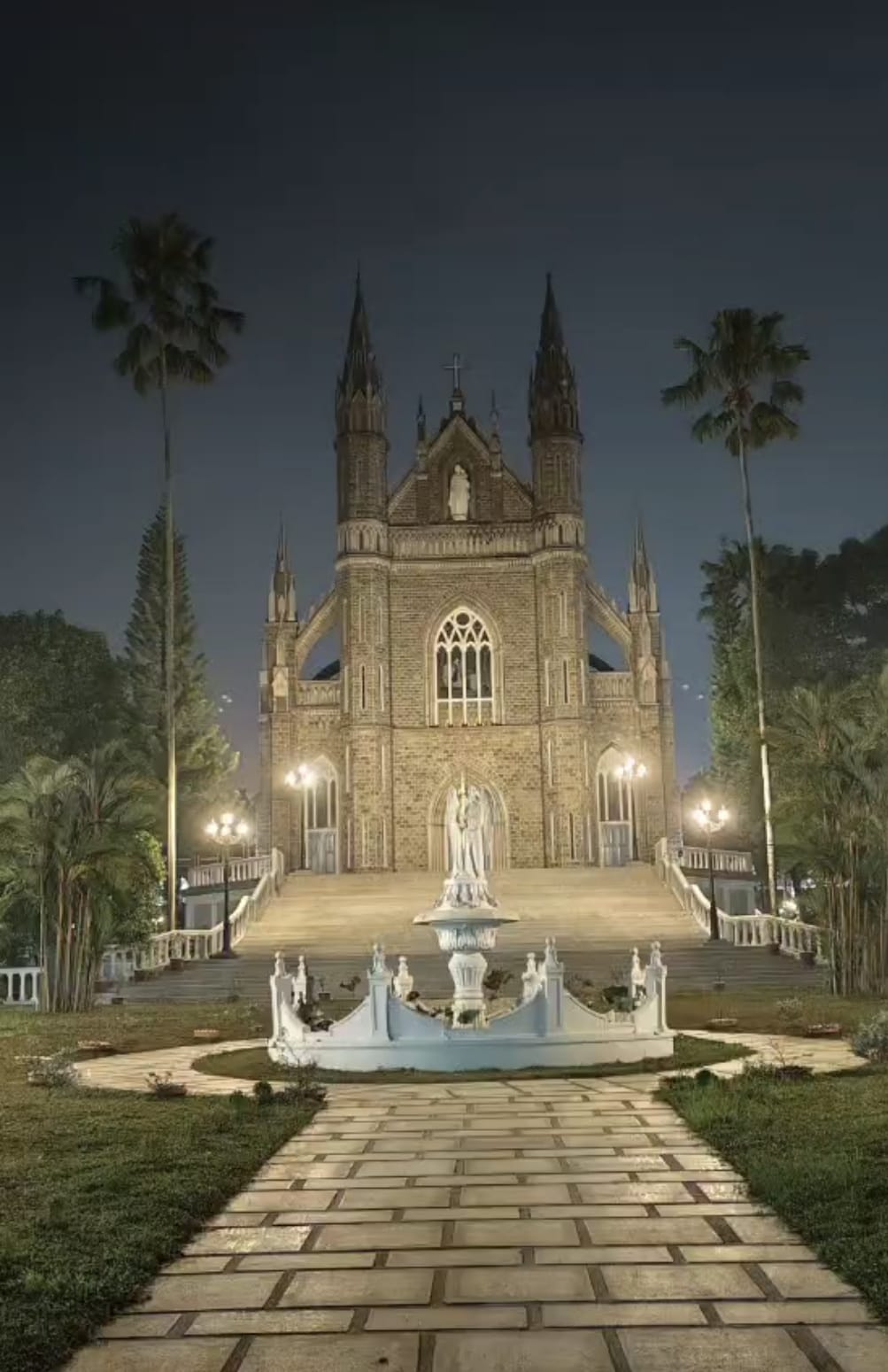
The Temple of Jerusalem was the visible sign of God’s presence. But now, in Jesus, that presence has taken flesh. In Jesus Christ, God’s dwelling has moved from a building to a person.
The Temple of Jerusalem was only a sign — a shadow of something greater to come. The true Temple, the true meeting place between God and humanity, is Jesus Himself.
He Himself is the new Temple — the living place of God among us. From now on, the true worship of God will not depend on a location, but on a relationship: “in spirit and in truth” (Jn 4:23).
Origen wrote that both the physical Temple and the Body of Christ “are figures of the Church, which is being built up throughout time into a spiritual house.”
St. Paul echoes this: “Do you not know that you are God’s temple, and that the Spirit of God dwells in you?” (1 Cor 3:16)
The Church, then, is not simply an institution or a building — she is the living Body of Christ. And that means the same zeal that burned in Jesus for His Father’s house now burns for us — for His Church and for each soul He calls His temple.
When Jesus cleansed the Temple, He condemned not only corruption but He was exposing something deeper — the spirit of worldliness, pride, and division that can creep even into holy places.
A marketplace is a place where everyone insists on their gain, their opinion, their side. It’s a place of bargaining, competition, and division. But the Church is meant to be a house of prayer — a house of communion, unity, and love.
When the Church becomes a marketplace, she forgets that she is the house of the Father.
How easily that spirit can enter our own hearts.
Whenever we make room for resentment rather than forgiveness, for gossip rather than prayer, for judgment rather than mercy — we turn the temple of our soul into a noisy marketplace. Whenever we allow anger, envy, bitterness, or pride to fill that space, we are, in a sense, driving the Lord out.
Sadly, we sometimes see the spirit of the marketplace invading our parishes and communities — when we let worldly interests, politics, or personal preferences come before the worship of God. When we turn the Church into a place of dispute rather than a place of peace, we forget whose house it is.
Even the Holy Qurbana, which should be the sign of our communion in Christ, has at times become a cause of division and public scandal. It is heart breaking — not because of differing opinions themselves, but because the spirit of humility, dialogue, and obedience is lost.
Jesus’ cleansing of the Temple calls us to repentance — not only from material corruption, but from spiritual pride and disunity. His zeal is a call to purify the Church from anything that distorts her mission: to be the living Temple of God’s presence and love.
His zeal is not anger against us, but love for us — a love that cannot tolerate seeing our hearts enslaved by anything less than God.
The cleansing Jesus performed in the Temple of Jerusalem must happen in every heart.
As St. Gregory the Great wrote, “He scourges us when He drives out our sins; He loves us when He strikes, for He desires to dwell in us in peace.”
Allow Christ to cleanse our inner temple, to restore in us the peace of His presence — a house of prayer, a dwelling place of the living God.
The question for us today is not who is right or wrong in the disputes of the Church, but whether Christ still finds a house of prayer in our hearts, our parishes, and our communities. Amen.
⭐ Fr James Abraham
 Nelson MCBS
Leave a comment