
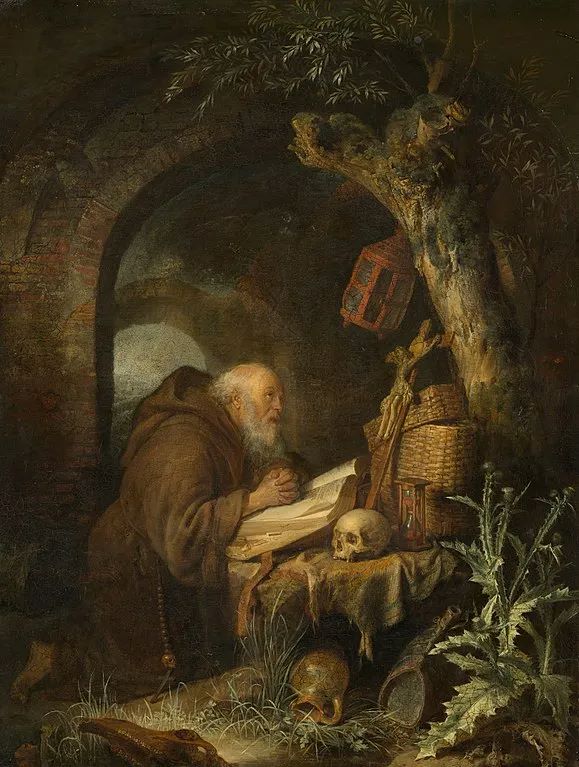
Throughout Christian history, many saints have sought solitude in order to deepen their relationship with God. Among these holy men and women stands Saint Bartholomew of Farne, a humble hermit whose life of prayer, penance, and simplicity became a powerful witness to the transforming grace of God. Though less well known than many other saints, his unwavering commitment to a life centered on Christ continues to inspire believers today.
Early Life and Conversion
Saint Bartholomew of Farne was born in England during the late eleventh century. Historical records about his early years are limited, but tradition tells us that he lived an ordinary life before experiencing a profound spiritual awakening. Deeply moved by the call of the Gospel, he renounced worldly ambitions and sought a life entirely dedicated to God.
Like many medieval saints, Bartholomew was inspired by the examples of the Desert Fathers and the great monastic tradition that emphasized prayer, silence, and detachment from earthly distractions. He believed that true happiness could be found not in wealth or social status but in communion with God.
Journey to the Farne Islands
Seeking greater solitude, Bartholomew eventually traveled to the remote Farne Islands, a group of small islands located off the coast of Northumberland in northeastern England. These islands had already become famous through the holy life of Saint Cuthbert, who had lived there as a hermit several centuries earlier.
The rugged and isolated environment of the Farne Islands provided an ideal setting for contemplation and prayer. Far from the noise and concerns of the world, Bartholomew embraced a life of simplicity, dedicating himself entirely to God.
He lived in a small hermitage, spending long hours in prayer, meditation on Scripture, and acts of penance. His daily life was marked by fasting, manual labor, and a deep spirit of humility. Through these practices, he sought to grow in holiness and draw closer to Christ.
A Life of Prayer and Service
Although Saint Bartholomew desired solitude, his reputation for holiness gradually spread throughout the region. Pilgrims, travelers, and local people began seeking him out for spiritual guidance and prayer.
Bartholomew welcomed those who came to him with kindness and wisdom. His counsel was valued because it sprang from a life rooted in prayer and personal sacrifice. He understood that genuine spiritual leadership comes not from power or prestige but from a heart surrendered to God.
He became known for his compassion toward the poor and his concern for those struggling with difficulties in life. While he lived apart from society, he never became indifferent to the needs of others. Instead, his solitude strengthened his ability to love and serve.
Miracles and Reputation for Holiness
Many accounts from his life speak of extraordinary signs associated with his holiness. People believed that God worked through him in remarkable ways, granting blessings and favors to those who sought his prayers.
His deep trust in Divine Providence and his reputation for virtue attracted visitors from various walks of life. Even influential leaders sought his advice, recognizing in him a wisdom that came from a close relationship with God.
Like many saints, Bartholomew never sought recognition. He remained humble, attributing every good thing to God’s grace rather than to his own efforts.
Death and Legacy
Saint Bartholomew spent many years on the Farne Islands, persevering in his vocation as a hermit until the end of his life. He died in the twelfth century, leaving behind a legacy of faith, prayer, and holiness.
Following his death, devotion to him continued among the people of northern England. His life served as a reminder that even in an age of political conflict and social change, holiness could flourish in the quiet surrender of one’s life to God.
The memory of Saint Bartholomew of Farne has endured through the centuries as an example of contemplative spirituality. His witness encourages Christians to seek moments of silence and prayer amid the busyness of modern life.
Lessons from Saint Bartholomew of Farne
1. The Value of Silence
In a world filled with constant noise and distraction, Saint Bartholomew reminds us of the importance of silence. It is in silence that we learn to listen to God’s voice and discover His will for our lives.
2. Prayer as the Center of Life
Bartholomew’s life teaches that prayer is not merely an activity but a relationship with God. His example challenges us to make prayer a daily priority.
3. Simplicity and Detachment
The saint willingly gave up worldly comforts to focus on what truly matters. His life encourages Christians to examine their priorities and seek treasures that endure forever.
4. Loving Others Through Holiness
Although he lived as a hermit, Bartholomew never stopped caring for people. His example shows that a deep relationship with God naturally leads to love and service toward others.
Conclusion
Saint Bartholomew of Farne stands as a shining example of contemplative holiness. His life demonstrates that intimacy with God is worth every sacrifice and that true peace is found in surrendering oneself completely to Christ. Through prayer, humility, and simplicity, he transformed a remote island into a place of spiritual light.
Today, as believers seek meaning amid the challenges of modern life, the witness of Saint Bartholomew of Farne continues to inspire. His story invites us to slow down, listen to God’s voice, and place Him at the center of our lives. In doing so, we too can discover the joy and peace that filled the heart of this humble hermit of the Farne Islands.

Feast Day: March 24
Known For: Hermit life, prayer, asceticism, and spiritual guidance on the Farne Islands of England.
Leave a Reply