
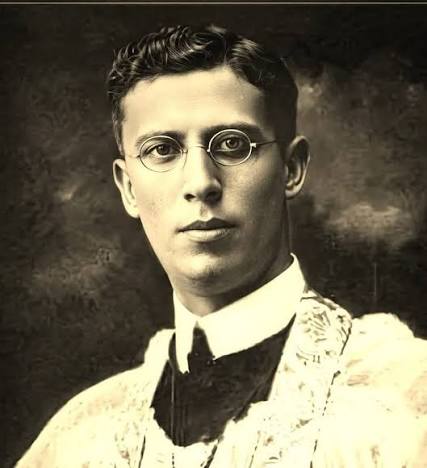
Feast Day: June 26
Born: May 3, 1888, Mascota, Jalisco, Mexico
Died: June 26, 1927, Quila, Jalisco, Mexico
Beatified: November 22, 1992, by Pope Saint John Paul II
Canonized: May 21, 2000, by Pope Saint John Paul II
Patronage: One of the Martyrs of the Cristero War in Mexico
Introduction
Saint José María Robles Hurtado was a Mexican Catholic priest who gave his life for Christ during one of the darkest periods of religious persecution in Mexico. A devoted pastor, gifted preacher, and ardent promoter of devotion to the Sacred Heart of Jesus, he remained steadfast in his priestly vocation despite violent anti-Catholic laws that sought to suppress the Church.
His martyrdom during the Cristero War made him one of the most revered witnesses to the faith in modern times. Refusing to abandon his ministry or renounce his loyalty to Christ, he accepted death with serenity, forgiveness, and unwavering trust in God. His life continues to inspire Christians to remain faithful in times of suffering and persecution.
Early Life
José María Robles Hurtado was born on May 3, 1888, in the town of Mascota, in the Mexican state of Jalisco.
He was born into a devout Catholic family that nurtured him in prayer, charity, and love for the Church. From an early age, he displayed remarkable piety and a deep attraction to the priesthood.
Those who knew him remembered him as an intelligent, cheerful, and compassionate young man who possessed a strong sense of responsibility and an exceptional love for God.
Call to the Priesthood
Encouraged by his family and local clergy, José María entered the diocesan seminary, where he pursued studies in philosophy and theology.
His years of formation were marked by:
- Deep prayer.
- Academic excellence.
- Humility.
- Obedience.
- Devotion to the Eucharist.
- Love for the Blessed Virgin Mary.
He was ordained a priest on September 20, 1913, for the Diocese of Guadalajara.
From the beginning of his priestly ministry, he dedicated himself wholeheartedly to preaching the Gospel and caring for the spiritual needs of his people.
A Zealous Pastor
Father José María served in several parishes throughout Jalisco, where he quickly became known for his pastoral zeal.
He devoted himself to:
- Celebrating the Holy Eucharist with great reverence.
- Hearing Confessions.
- Visiting the sick and the poor.
- Teaching the faith.
- Guiding young people.
- Encouraging family prayer.
His kindness and accessibility earned him the affection of both children and adults.
Apostle of the Sacred Heart
One of the defining features of Father Robles’ spirituality was his profound devotion to the Sacred Heart of Jesus.
He believed that the Sacred Heart revealed Christ’s infinite love and mercy for humanity and encouraged the faithful to respond with trust, repentance, and faithful discipleship.
He composed hymns, prayers, and devotional writings that promoted this spirituality.
Among his best-known expressions of faith was the phrase:
“Long live Christ the King and the Sacred Heart of Jesus!”
This became a source of courage for many Catholics facing persecution.
Religious Persecution in Mexico
The early twentieth century was a time of intense conflict between the Mexican government and the Catholic Church.
Following the Mexican Constitution of 1917, several anti-clerical provisions restricted the Church’s freedom. These laws were enforced rigorously under President Plutarco Elías Calles, whose government sought to reduce the influence of religion in public life.
Priests faced severe restrictions, including:
- Closure of churches.
- Prohibition of religious education.
- Bans on public worship.
- Surveillance and arrest.
- Expulsion from parishes.
- Threats of imprisonment and execution.
Many clergy were forced to minister secretly in order to continue serving the faithful.
Ministry During the Cristero War
The growing persecution eventually led to the Cristero War (1926–1929), during which many Catholics resisted restrictions on religious freedom.
Although Father Robles was not a military leader, he courageously continued his priestly ministry despite the dangers.
He celebrated Mass in secret locations, administered the sacraments, encouraged the faithful to remain steadfast, and strengthened communities through prayer and hope.
He refused to abandon his people, believing that a shepherd must remain with his flock even in times of danger.
Arrest and Martyrdom
On June 25, 1927, Father José María Robles was arrested by government forces.
He was accused of supporting the Catholic resistance because of his priestly ministry and his unwavering public witness to the faith.
The following day, June 26, 1927, he was taken to Quila, in the state of Jalisco.
Before his execution, he remained calm and prayerful.
According to historical accounts, he forgave his persecutors and placed his complete trust in God.
He was then hanged from a tree without a formal trial, becoming one of the many priests who gave their lives during the persecution of the Church in Mexico.
His martyrdom was marked not by hatred or revenge but by faith, forgiveness, and love for Christ.
Spiritual Legacy
The witness of Saint José María Robles Hurtado strengthened the faith of countless Catholics during and after the Cristero War.
He became a symbol of:
- Fidelity to Christ.
- Priestly courage.
- Love for the Sacred Heart.
- Perseverance under persecution.
- Forgiveness of enemies.
- Hope in eternal life.
His example reminds Christians that faithfulness often requires sacrifice.
Beatification and Canonization
Recognizing his heroic witness, Pope Saint John Paul II beatified Father José María Robles Hurtado on November 22, 1992.
He was later canonized on May 21, 2000, together with 24 other Mexican martyrs who gave their lives during the religious persecution of the 1920s.
These martyrs are honored as outstanding witnesses to the freedom of conscience and the enduring power of Christian faith.
His Spirituality
The spirituality of Saint José María centered on several key themes:
1. Love for the Sacred Heart
He believed that devotion to the Sacred Heart leads believers to experience Christ’s mercy, compassion, and saving love.
2. Fidelity to the Priesthood
He remained faithful to his vocation even when it placed his life in danger.
3. Courage in Persecution
Rather than abandoning his mission, he accepted suffering with peace and confidence in God’s providence.
4. Forgiveness
Like Christ, he forgave those responsible for his death, bearing witness to the Gospel through charity.
5. Hope in Eternal Life
His martyrdom reflected his conviction that earthly suffering is temporary but eternal life with God is everlasting.
Lessons from the Life of Saint José María Robles Hurtado
His life offers timeless lessons for Christians:
- Faithfulness to Christ requires courage and perseverance.
- Priests are called to serve their people even in difficult circumstances.
- Devotion to the Sacred Heart deepens our relationship with Jesus.
- Forgiveness is a powerful witness to the Gospel.
- Religious freedom is a precious gift that should be protected.
- Love is stronger than hatred, and faith triumphs over fear.
A Witness for Our Times
Although many Christians today may not face the same violent persecution, Saint José María’s witness remains relevant.
His life challenges believers to:
- Live their faith openly.
- Remain faithful amid opposition.
- Defend religious freedom peacefully.
- Trust in God’s providence.
- Love even those who oppose them.
His example reminds us that authentic discipleship is measured not by comfort but by fidelity.
Conclusion
Saint José María Robles Hurtado stands among the great martyrs of the twentieth century—a humble parish priest who chose fidelity to Christ over personal safety. Through his unwavering devotion to the Sacred Heart of Jesus, his compassionate pastoral ministry, and his courageous acceptance of martyrdom, he demonstrated the depth of a life completely surrendered to God.
His witness continues to inspire priests, religious, and lay faithful around the world to remain steadfast in faith, to proclaim the Gospel without fear, and to respond to hatred with forgiveness and love. On his feast day, the Church honors him as a courageous shepherd who laid down his life for Christ and His flock, reminding us that true discipleship often calls for sacrifice, but always leads to the victory of God’s grace.
Leave a Reply