
Introduction
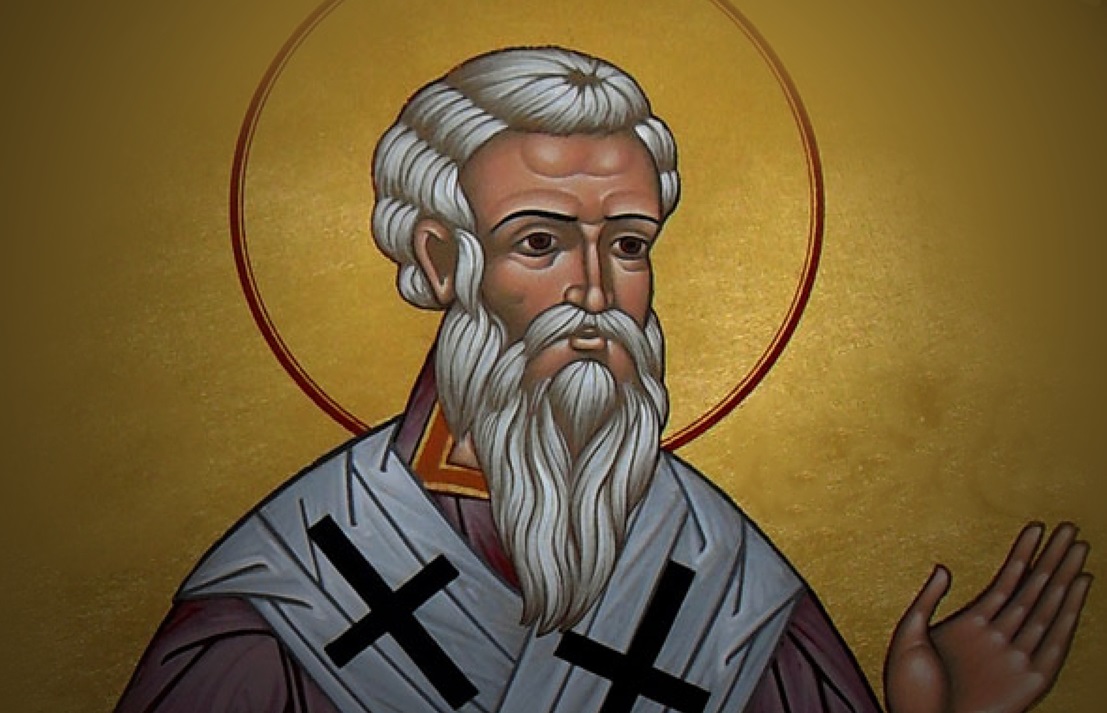
Saint Ignatius of Antioch, one of the most important Apostolic Fathers, wrote seven letters while being escorted under Roman guard from Antioch to Rome, where he expected to suffer martyrdom. These letters are among the earliest surviving Christian writings outside the New Testament and provide valuable insight into the beliefs, worship, leadership, and spiritual life of the early Church.
The seven letters generally accepted as authentic are the Letter to the Ephesians, Letter to the Magnesians, Letter to the Trallians, Letter to the Romans, Letter to the Philadelphians, Letter to the Smyrnaeans, and Letter to Polycarp. The shorter Greek recension of these letters is generally regarded by scholars as the authentic form, while the longer recension contains later expansions and interpolations.
Ignatius did not write these letters as a systematic theological textbook. He wrote as a pastor who was deeply concerned about the spiritual welfare of Christian communities. His principal themes include:
- The centrality of Jesus Christ in Christian life.
- The unity of the Church under its bishop.
- The Eucharist as the true Body of Christ and a source of Christian unity.
- The reality of the Incarnation, Passion, and Resurrection of Jesus.
- The rejection of false teachings.
- The importance of prayer, charity, and faithful discipleship.
- The meaning of suffering and martyrdom in union with Christ.
The following summary presents each letter separately, with its historical context, major themes, chapter-by-chapter outline, theological significance, and practical lessons for Christian life.
1. Letter to the Ephesians
21 chapters · Written from Smyrna
A. Historical context and purpose
The Letter to the Ephesians is addressed to the Christian community of Ephesus, an important city in Asia Minor. Ignatius praises the faith, charity, and hospitality of the Ephesians, who had sent representatives to visit him during his journey toward Rome.
The letter reflects Ignatius’s gratitude for their kindness and his desire to strengthen their commitment to Christ. He particularly emphasizes the importance of unity, obedience to legitimate Church leadership, resistance to false teaching, and a life transformed by the Incarnation of Jesus Christ.
The Ephesians appear to have demonstrated genuine Christian love by supporting Ignatius in his imprisonment. Their example encourages him to speak about the connection between faith, action, and spiritual maturity.
B. Detailed chapter-by-chapter summary
Chapters 1–2: Praise for the faith of the Ephesians
Ignatius praises the Ephesians for their Christian character and their willingness to assist him. Their faith and charity are evidence of their commitment to Jesus Christ. He recognizes the service of their bishop, Onesimus, and expresses gratitude for those who have ministered to him.
Chapters 3–4: Unity and the example of the bishop
Ignatius encourages the faithful to remain united with their bishop and to respect the ministry of their presbyters and deacons. He presents ecclesial unity as an expression of the unity that exists in Christ.
Chapters 5–6: Avoiding division and false teaching
The community must guard against teachings that lead believers away from Christ. Ignatius encourages Christians to remain faithful to the Gospel and to avoid conduct that contradicts their profession of faith.
Chapters 7–8: Christ as the source of Christian life
Ignatius emphasizes Jesus Christ as the foundation of the Christian faith. He warns against teachings that separate believers from the Lord and urges them to remain firmly attached to Him.
Chapters 9–10: The Christian community as a spiritual temple
The Ephesians are encouraged to live as a community united in Christ. Ignatius uses biblical imagery to explain that Christians are called to become a dwelling place for God through faith, holiness, and love.
Chapters 11–12: Christian conduct and witness
Ignatius reminds believers that their conduct must correspond to their faith. Christians should not allow worldly attitudes or sinful habits to undermine their witness to the Gospel.
Chapters 13–14: Prayer, unity, faith, and love
The faithful are urged to pray continually and to preserve unity. Ignatius presents faith and love as essential characteristics of Christian life. Genuine belief must be expressed through practical charity.
Chapters 15–16: The difference between words and deeds
Ignatius warns against Christians who speak about God but fail to live according to His commandments. A person’s conduct reveals whether faith has truly taken root in the heart.
Chapters 17–18: The mystery of Christ
Ignatius reflects on the Incarnation and the saving work of Jesus Christ. Christ’s coming into the world reveals God’s plan of salvation and defeats the power of evil.
Chapters 19–20: The Incarnation, the Cross, and the Eucharist
Ignatius meditates on the mystery of Christ’s birth and the salvation accomplished through Him. He connects the mystery of Jesus with the life of the Church and its Eucharistic worship.
Chapter 21: Final greetings and encouragement
Ignatius concludes by thanking the Ephesians and encouraging them to persevere in faith and charity. He asks for their prayers and entrusts them to God’s grace.
C. Principal theological themes
Unity in Christ: The Church is called to reflect the unity that comes from Jesus Christ.
Faith expressed through action: Christian belief must be demonstrated through charity and holiness.
The Incarnation: Jesus Christ truly entered human history to accomplish humanity’s salvation.
Pastoral communion: The bishop, presbyters, deacons, and faithful must work together in a spirit of unity.
Prayer and perseverance: The Christian life requires continual prayer and steadfast commitment.
D. Spiritual significance
The Letter to the Ephesians teaches that Christian maturity involves the integration of faith, worship, and daily conduct. Ignatius challenges believers to move beyond outward religious observance and allow Christ to transform their entire lives.
His message is particularly relevant to parish communities, where unity must be expressed through mutual respect, prayer, forgiveness, and service.
2. Letter to the Magnesians
15 chapters · Written from Smyrna
A. Historical context and purpose
The Letter to the Magnesians is addressed to the Christians of Magnesia, a city in Asia Minor. Ignatius acknowledges the faith of the community and encourages it to remain united under its bishop, Damas, together with the presbyters and deacons.
The letter addresses the importance of ecclesial order, Christian unity, the relationship between the old covenant and the new life in Christ, and the significance of the Lord’s Day.
Ignatius also warns against religious attitudes that fail to recognize the fulfilment of God’s promises in Jesus Christ.
B. Detailed chapter-by-chapter summary
Chapters 1–2: Gratitude for the Christian community
Ignatius praises the Magnesians for their faith and expresses gratitude for the representatives who have visited him. He recognizes their concern for the Church and encourages them to remain steadfast.
Chapters 3–4: The bishop’s responsibility and Christian maturity
Ignatius addresses the importance of respecting the bishop despite his relative youth. Spiritual authority is not determined merely by age but by the responsibility entrusted to a person within the Church.
He also reminds the community that calling oneself a Christian is insufficient unless one’s life reflects the faith one professes.
Chapters 5–6: Living according to Christ
Ignatius contrasts a life shaped by the old ways of sin with the new life inaugurated by Jesus Christ. Christians are called to live according to the Lord’s teaching and to remain united in their faith.
Chapter 7: Unity in the Christian community
The faithful are encouraged to remain united with the bishop, presbyters, and deacons. Ignatius uses the image of a harmonious gathering to illustrate how unity enables the Church to bear witness to Christ.
Chapters 8–9: The relationship between Judaism and Christianity
Ignatius warns against interpretations of the faith that fail to recognize Jesus Christ as the fulfilment of God’s saving plan. He speaks of the prophets who lived in hope of Christ and contrasts the old order with the new life revealed through the Lord’s Resurrection.
His argument is directed toward the Christian controversies of his time and should be read within that historical context.
Chapter 10: The rejection of false teaching
Ignatius warns against teachings that undermine the Christian understanding of Christ. He encourages believers to remain faithful to the apostolic proclamation.
Chapter 11: Christian hope
The faithful are encouraged to look toward the grace of Jesus Christ and the promise of eternal life. Ignatius emphasizes the importance of living in accordance with the hope that Christians profess.
Chapter 12: The example of the prophets
Ignatius reflects on the prophets who anticipated Christ and rejoiced in the hope of His coming. Their witness points toward the fulfilment of God’s promises.
Chapters 13–14: Final exhortations and greetings
Ignatius encourages the Magnesians to remain united in faith and charity, asks for their prayers, and sends greetings to the community.
Chapter 15: Closing blessing
The letter concludes with a prayerful blessing and an appeal for the community to persevere in the grace of Jesus Christ.
C. Principal theological themes
The new life in Christ: Christianity is a participation in the new life brought about through Jesus’ death and Resurrection.
The Lord’s Day: Ignatius bears witness to the importance of the Christian community’s life shaped by the Resurrection.
Unity and leadership: The faithful should preserve communion with their bishop and the other ministers of the Church.
Fulfilment of God’s promises: Jesus Christ stands at the centre of God’s saving plan.
D. Spiritual significance
The Letter to the Magnesians reminds Christians that faith must be lived, not merely professed. It also calls the Church to unity and encourages believers to understand Sunday worship as a celebration of the new life given through the Resurrection.
Its central challenge is to allow Christ to shape the way we worship, make decisions, and relate to one another.
3. Letter to the Trallians
13 chapters · Written from Smyrna
A. Historical context and purpose
The Letter to the Trallians is addressed to the Christians of Tralles, a city in Asia Minor. Ignatius praises their faith and expresses gratitude for their bishop, Polybius, who had visited him.
The central concern of the letter is the preservation of sound Christian teaching and unity within the Church. Ignatius warns against false teachings concerning Jesus Christ, particularly those that undermine the reality of His human nature and suffering.
He also emphasizes the importance of humility, obedience, and trust in legitimate Church leadership. The letter shows his concern that the faithful should not be led astray by impressive words or teachings that contradict the Gospel.
B. Detailed chapter-by-chapter summary
Chapter 1: Gratitude for the faith of the Trallians
Ignatius thanks God for the Christian community and praises its faith and charity. He expresses gratitude for Bishop Polybius, whose visit brought encouragement during his imprisonment.
Chapter 2: The bishop as a sign of ecclesial unity
Ignatius encourages the faithful to respect their bishop and remain united with the presbyters and deacons. Their cooperation protects the unity and spiritual life of the community.
Chapter 3: The value of humility
Ignatius acknowledges his own limitations and does not present himself as someone who possesses all knowledge. His example illustrates the importance of humility in Christian teaching and leadership.
Chapter 4: The danger of false teaching
Ignatius warns against teachers who distort the Christian faith. He encourages believers to remain firmly rooted in the apostolic proclamation and to avoid teachings that lead them away from Christ.
Chapter 5: The reality of Jesus Christ
The letter emphasizes the importance of believing in Jesus Christ as the true Son of God who entered human history. Ignatius rejects ideas that weaken the reality of Christ’s Incarnation.
Chapter 6: Faithfulness to the apostolic tradition
Ignatius encourages the Trallians to remain faithful to the teaching they have received. The Church must not be guided by novelty or speculation that contradicts the Gospel.
Chapter 7: Christ’s true suffering
Ignatius insists that Jesus truly suffered for humanity’s salvation. His suffering was not an appearance or an illusion. This conviction protects the meaning of the Cross and the hope of redemption.
Chapter 8: The necessity of Christian vigilance
The faithful are urged to remain watchful and avoid being deceived by false teaching. Ignatius encourages them to combine sound doctrine with genuine Christian conduct.
Chapter 9: The importance of the bishop and ministers
Ignatius stresses that the bishop, presbyters, and deacons have distinct responsibilities within the Church. The faithful should remain united with them and preserve ecclesial harmony.
Chapter 10: Christian conduct and witness
Believers are called to demonstrate their faith through their behaviour. Their lives should reflect the holiness and charity taught by Jesus Christ.
Chapter 11: The need for spiritual discernment
Ignatius urges the community to distinguish genuine Christian teaching from ideas that undermine the Gospel. Faith must be guided by the truth about Christ and expressed through love.
Chapter 12: Perseverance in faith
The Trallians are encouraged to remain faithful despite difficulties and opposition. Ignatius reminds them that Christian life requires patience, courage, and steadfastness.
Chapter 13: Final greetings and blessing
Ignatius concludes by expressing his affection for the community and asking for its prayers. He entrusts the Trallians to God’s grace.
C. Principal theological themes
- The reality of Christ’s Incarnation and suffering.
- The importance of apostolic teaching.
- The dangers of false doctrine.
- Humility in Christian leadership.
- Unity under the bishop and other Church ministers.
- Perseverance in faith and charity.
D. Spiritual significance
The Letter to the Trallians reminds Christians that authentic faith requires both doctrinal fidelity and personal humility. Ignatius warns against teachings that separate Jesus’ divinity from His true humanity.
For contemporary Christians, the letter encourages careful discernment, faithful study of the Christian tradition, and a willingness to remain united without abandoning the truth of the Gospel.
4. Letter to the Romans
10 chapters · Written from Smyrna
A. Historical context and purpose
The Letter to the Romans is distinctive among the seven letters because it focuses primarily on Ignatius’s impending martyrdom rather than on correcting a particular doctrinal problem within the community.
Ignatius was being taken to Rome under guard, where he expected to be executed. He had heard of the Roman Christians’ love and concern for him, but he feared that they might attempt to secure his release or intervene to prevent his death.
He therefore wrote to ask them not to obstruct his martyrdom. His desire was to remain faithful to Christ and to bear witness to the Gospel even at the cost of his life.
The letter is one of the most powerful early Christian reflections on discipleship, suffering, and the hope of eternal life. It must be read as the expression of Ignatius’s personal vocation in the circumstances he faced, not as a general instruction for Christians to seek death or refuse legitimate assistance.
B. Detailed chapter-by-chapter summary
Chapter 1: Greeting and gratitude
Ignatius greets the Roman Christian community with profound respect. He recognizes the importance of its faith and expresses his desire to remain faithful to Jesus Christ.
Chapter 2: Prayer and Christian witness
Ignatius asks the Romans to pray for him. He acknowledges the importance of prayer while making clear that he does not want his approaching martyrdom to be prevented.
Chapter 3: The danger of well-intentioned interference
Ignatius explains that the Romans might unintentionally hinder his witness by attempting to save him. He asks them to allow him to fulfil the path he believes God has set before him.
Chapter 4: The desire for martyrdom
Ignatius expresses his willingness to face death for Christ. He describes himself as God’s wheat, to be ground by the teeth of wild beasts so that he may become pure bread for Christ.
This imagery reveals his desire to imitate Jesus in self-giving love.
Chapter 5: Freedom from worldly attachments
Ignatius reflects on the difference between earthly security and the eternal life promised by Christ. He does not consider worldly honour or survival to be greater than fidelity to his Lord.
Chapter 6: The supreme value of Christ
Ignatius declares that dying for Jesus Christ is better than possessing earthly power. He longs to be united with Christ and considers his impending suffering an opportunity to bear witness to the One who died and rose for him.
Chapter 7: The mystery of Christian transformation
Ignatius expresses his longing for the life of Christ to become fully manifest in him. His desire is not merely to escape earthly suffering but to be transformed through union with the Lord.
He asks that nothing prevent him from reaching the goal of his discipleship.
Chapter 8: The power of love
Ignatius explains that his desire for martyrdom flows from his love for Christ. He wants to imitate the Lord’s Passion and remain faithful to the Gospel.
Chapter 9: The reality of Christ’s Passion and Resurrection
Ignatius emphasizes that Jesus truly suffered and rose from the dead. The hope of his own resurrection is rooted in the historical reality of Christ’s saving work.
Chapter 10: Final greetings
Ignatius concludes by sending greetings to the Roman Christians and asking them to remember him in prayer. His final words reveal his deep affection for the Church and his desire to remain faithful to Christ.
C. Principal theological themes
Martyrdom as witness: Christian martyrdom is the ultimate testimony of fidelity to Christ when a believer is faced with persecution.
Union with Jesus: Ignatius desires to imitate Christ’s self-giving love and share in the life of the risen Lord.
The Resurrection: His courage is grounded in the conviction that death does not have the final word.
Freedom from worldly ambition: Earthly power and honour cannot replace the eternal treasure of belonging to Christ.
Prayer and communion: Even while approaching death, Ignatius remains connected to the wider Christian community.
D. Spiritual significance
The Letter to the Romans presents Ignatius at his most personally vulnerable and spiritually intense. He writes as a man preparing for death but filled with hope in Jesus Christ.
His example invites Christians to examine their attachments and ask whether they are prepared to remain faithful when the Gospel becomes costly.
The letter should not be interpreted as a rejection of life, nor as encouragement to pursue suffering. Its message is that love for Christ can sustain a person even in the face of death.
For Christians today, Ignatius’s witness calls for courage in conscience, perseverance in trials, and confidence in the Resurrection.
5. Letter to the Philadelphians
11 chapters · Written from Troas
A. Historical context and purpose
The Letter to the Philadelphians is addressed to the Christian community of Philadelphia in Asia Minor. Ignatius writes after leaving Smyrna and continuing his journey toward Rome.
The principal themes are unity, the authority of the bishop, fidelity to apostolic teaching, and the need to avoid divisions caused by false doctrines.
Ignatius is particularly concerned about disagreements that threaten the unity of the Church. He encourages Christians to remain faithful to Jesus Christ and to preserve the communion expressed in their worship and common life.
B. Detailed chapter-by-chapter summary
Chapter 1: Praise for the community
Ignatius praises the Philadelphians for their faith and charity. He recognizes the good qualities of their bishop and encourages the community to remain steadfast.
Chapter 2: Unity with the bishop
Ignatius emphasizes the importance of ecclesial unity. The bishop has a particular responsibility to preserve the faith and guide the community in communion with the wider Church.
Chapter 3: The danger of division
The letter warns against attitudes and teachings that create factions within the Christian community. Ignatius encourages believers to pursue peace and preserve unity.
Chapter 4: One Eucharist and one Church
Ignatius stresses the importance of gathering for the Eucharist in unity. He speaks of one altar and one Eucharistic celebration as expressions of the unity of the Church.
This teaching reveals the close connection between sacramental worship and ecclesial communion.
Chapter 5: The authority of the Gospel and apostolic tradition
Ignatius insists that the Christian faith must be understood in relation to Jesus Christ and the apostolic witness. The Gospel cannot be replaced by interpretations that distort its meaning.
Chapter 6: The fulfilment of God’s promises
Ignatius reflects on the relationship between the prophets and Jesus Christ. He understands the Old Testament in the light of Christ, while emphasizing that the Christian faith is grounded in the Lord’s saving work.
Chapter 7: Faithfulness to the apostolic teaching
The faithful are encouraged to remain firmly rooted in the Gospel. Ignatius warns against teachings that separate believers from Christ and the unity of His Church.
Chapter 8: Christian peace and reconciliation
Ignatius emphasizes the importance of peace and mutual understanding. Christian unity requires more than outward agreement; it calls for a shared commitment to truth and charity.
Chapter 9: Perseverance in the face of opposition
The Philadelphians are encouraged to remain steadfast despite difficulties. Ignatius’s own imprisonment gives urgency to his appeal for fidelity.
Chapter 10: Greetings and prayer
Ignatius sends greetings to the community and asks for its prayers. He remains concerned for the welfare of the Church in Syria and the Christian communities through which he has travelled.
Chapter 11: Final exhortation
The letter concludes with encouragement to remain faithful to Christ and united in the Church. Ignatius entrusts the community to God’s grace.
C. Principal theological themes
- Unity under legitimate Church leadership.
- The Eucharist as a sign of ecclesial communion.
- Fidelity to the Gospel and apostolic teaching.
- The dangers of schism and doctrinal confusion.
- Peace, reconciliation, and mutual charity.
- Perseverance in Christian witness.
D. Spiritual significance
The Letter to the Philadelphians teaches that unity is not an optional addition to Christian life. It belongs to the Church’s vocation as the community gathered by Christ.
Ignatius challenges Christians to avoid unnecessary divisions and to seek reconciliation without compromising the truth of the Gospel.
The letter remains relevant to parishes and religious communities, where differences of personality, opinion, or preference can threaten communion. Genuine unity grows when believers put Christ first and work together in humility and charity.
6. Letter to the Smyrnaeans
13 chapters · Written from Troas
A. Historical context and purpose
The Letter to the Smyrnaeans is addressed to the Christian community of Smyrna, where Ignatius had been received during his journey to Rome. The city was also home to Saint Polycarp, its bishop and one of the important Christian leaders of the second century.
The letter is particularly significant for its teaching about the Incarnation, the real suffering and Resurrection of Jesus Christ, the Eucharist, and the unity of the Church.
Ignatius strongly opposes teachings that claim Jesus only appeared to possess a human body or only seemed to suffer. He considers these ideas incompatible with the Christian proclamation of salvation.
The letter also contains one of the earliest surviving uses of the expression “Catholic Church” and offers valuable evidence for the relationship between Eucharistic worship and communion with the bishop.
B. Detailed chapter-by-chapter summary
Chapter 1: The true identity of Jesus Christ
Ignatius praises the faith of the Smyrnaeans and emphasizes their conviction that Jesus Christ truly became human. He affirms that Jesus was born of the Virgin Mary, descended from David according to the flesh, suffered under Pontius Pilate, and was crucified for humanity’s salvation.
His teaching establishes the historical reality of the Incarnation as the foundation of Christian faith.
Chapter 2: The reality of Christ’s suffering
Ignatius insists that Jesus truly suffered and truly rose from the dead. His Passion was not an illusion or an appearance. The reality of His suffering is essential to understanding the redemption He accomplished.
Chapter 3: The risen Christ and His bodily reality
Ignatius continues to defend the reality of Christ’s Resurrection. The risen Jesus was not merely a spirit who appeared to the disciples. His Resurrection belongs to the real history of salvation.
This conviction also supports the Christian hope of resurrection.
Chapter 4: The witness of the Resurrection
Ignatius recalls the reality of Jesus’ suffering and Resurrection and warns against teachings that deny the truth of His human existence. He emphasizes that the Christian proclamation concerns what God truly accomplished through Jesus Christ.
Chapter 5: The consequences of denying Christ’s humanity
Ignatius argues that those who deny the reality of Christ’s flesh and suffering undermine the foundation of the Gospel. He urges believers to remain firmly grounded in the truth about Jesus.
Chapter 6: The danger of false teaching
The letter warns that those who distort the truth about Christ place themselves in danger of spiritual error. Ignatius encourages the faithful to remain steadfast in the apostolic faith.
Chapter 7: The Eucharist and the real Body of Christ
Ignatius states that certain opponents abstain from the Eucharist because they do not acknowledge it as the flesh of Jesus Christ.
He therefore connects the Church’s Eucharistic faith with her belief in the real Incarnation of the Son of God.
This passage is particularly important for the history of Catholic Eucharistic theology.
Chapter 8: The bishop and the Catholic Church
Ignatius urges Christians to remain united with their bishop and to respect the legitimate order of the Church. He also writes that wherever Jesus Christ is, there is the Catholic Church.
This is one of the earliest surviving uses of the term Catholic Church in Christian literature.
For Ignatius, ecclesial unity is inseparable from communion with Christ and participation in the Church’s common worship.
Chapter 9: Faithfulness amid opposition
Ignatius encourages the faithful to remain steadfast in the face of challenges and to resist teachings that lead them away from the Gospel.
Chapter 10: Gratitude and encouragement
He expresses appreciation for the community’s love and support. His relationship with the Smyrnaeans reflects the bonds of fellowship that connected early Christian communities.
Chapter 11: Prayer for the Church
Ignatius asks for prayer and expresses concern for the wider Christian community. His personal suffering does not diminish his concern for the Church’s spiritual welfare.
Chapter 12: Final greetings
The letter includes greetings to members of the community and expresses Ignatius’s affection for those who have supported him.
Chapter 13: Closing blessing
Ignatius concludes with a blessing and an appeal for perseverance in the grace of Jesus Christ.
C. Principal theological themes
The Incarnation: Jesus Christ truly became human.
The Passion and Resurrection: Christ’s suffering, death, and Resurrection are real historical and saving events.
The Eucharist: The Eucharist is intimately connected with the real Body of Jesus Christ.
The Catholic Church: The Church is the community gathered in Christ and united in faith and worship.
Ecclesial communion: Unity with the bishop expresses the visible unity of the local Christian community.
D. Spiritual significance
The Letter to the Smyrnaeans reminds Christians that the faith rests on the reality of God’s saving action in Jesus Christ. The Son of God truly entered human history, suffered for humanity, and rose from the dead.
Ignatius also shows that Eucharistic devotion and Church unity belong together. Receiving Christ in the Eucharist calls believers to live in communion with Him and with one another.
His teaching invites us to approach Holy Mass with deeper faith and to allow the mystery we celebrate at the altar to transform our relationships, our choices, and our service to others.
7. Letter to Polycarp
8 chapters · Written from Troas
A. Historical context and purpose
The Letter to Polycarp is addressed personally to Saint Polycarp, the bishop of Smyrna. Polycarp was another major figure of the Apostolic Fathers and is traditionally associated with the generation that received the faith from the Apostles.
Unlike the letters addressed to entire communities, this letter offers direct pastoral counsel to a fellow bishop.
Ignatius encourages Polycarp to persevere in his ministry, maintain unity, practise humility, care for different groups within the Church, and remain constant in prayer.
The letter reveals Ignatius’s understanding of pastoral leadership as a demanding vocation requiring patience, courage, discernment, and self-giving love.
B. Detailed chapter-by-chapter summary
Chapter 1: Encouragement in pastoral leadership
Ignatius praises Polycarp’s faith and encourages him to continue his ministry with perseverance. He emphasizes the importance of maintaining unity and supporting others in love.
He urges Polycarp to pray continually, remain spiritually vigilant, and seek greater wisdom.
The bishop must be attentive to the needs of all, bearing patiently with human weaknesses and difficulties.
Chapter 2: Patience, gentleness, and Christian courage
Ignatius encourages Polycarp to be gentle toward those who make mistakes, patient with those who are difficult, and courageous in the face of opposition.
He uses the imagery of an athlete to describe the spiritual discipline required of a Christian leader.
Pastoral ministry requires endurance, self-control, and a willingness to bear burdens for the good of others.
Chapter 3: Fidelity and perseverance
Polycarp is encouraged to remain faithful to his responsibilities and to continue serving even when the work becomes difficult.
Ignatius reminds him that the Christian leader must be attentive to both spiritual and practical needs. The bishop’s ministry should be rooted in prayer and expressed through responsible action.
Chapter 4: Care for different groups in the Church
Ignatius advises Polycarp to attend to the needs of married couples, families, widows, and other members of the Christian community.
He encourages him to guide people with wisdom and charity, recognizing the particular responsibilities and challenges associated with different stages of life.
His counsel demonstrates that pastoral care must be attentive to real human circumstances rather than confined to general exhortations.
Chapter 5: Christian witness in family and community life
Ignatius encourages believers to conduct themselves in ways that reflect their faith. He emphasizes the importance of fidelity, mutual respect, and a life shaped by the Gospel.
He also warns against conduct that contradicts the Christian vocation.
Chapter 6: Practical instructions for Christian living
Ignatius urges the faithful to practise patience, avoid destructive behaviour, and live according to the teachings of Christ.
He emphasizes the importance of prayer, sound judgment, and responsible conduct. Christian faith should shape everyday decisions and relationships.
Chapter 7: The Church’s mission beyond the local community
Ignatius informs Polycarp that the Church in Antioch has found peace and encourages him to help organize a representative who can visit and strengthen the Christians there.
This chapter reveals the bonds of solidarity among early Christian communities. The Church’s responsibility extends beyond the boundaries of an individual parish or city.
Chapter 8: Final greetings and blessing
Ignatius concludes by asking Polycarp to communicate with neighbouring churches and to continue strengthening the bonds of Christian fellowship.
He sends greetings to the community and entrusts Polycarp and the faithful to the grace of God.
C. Principal theological themes
Pastoral responsibility: Bishops must care for the spiritual and practical needs of their communities.
Prayer and vigilance: Spiritual leadership requires a life rooted in prayer.
Patience and gentleness: Pastoral authority must be exercised with charity and understanding.
Unity: Leaders must preserve communion within their communities and with other churches.
Practical holiness: Christian teaching must be translated into responsible daily conduct.
Mission and solidarity: Churches should support one another, especially during periods of difficulty.
D. Spiritual significance
The Letter to Polycarp offers an enduring model of Christian leadership. Ignatius presents the bishop not as someone who seeks prestige but as a shepherd who accepts responsibility for the spiritual growth of others.
His advice remains valuable for bishops, priests, religious superiors, catechists, teachers, parents, and all those entrusted with the care of others.
True leadership requires prayer, patience, humility, sound judgment, and the willingness to bear burdens for the sake of others.
Ignatius reminds every Christian leader that authority reaches its highest expression when it becomes loving service.
8. The Common Theological Vision of the Seven Letters
Although each letter addresses a particular community or pastoral concern, the seven letters form a coherent picture of Ignatius’s understanding of Christianity.
8.1 Jesus Christ at the centre of everything
For Ignatius, Jesus Christ is the foundation of faith, worship, morality, and hope. He is truly divine and truly human, the One who suffered, died, and rose again for humanity’s salvation.
Christianity cannot be separated from the person of Jesus. To believe in Him is to enter into a relationship that transforms the whole of life.
8.2 The Church as a community of communion
Ignatius repeatedly emphasizes unity among the faithful and communion with the bishop, presbyters, and deacons.
His understanding of the Church is both spiritual and visible. The Church is united through faith in Christ, common worship, apostolic teaching, and mutual charity.
8.3 The Eucharist as the centre of Christian worship
The Eucharist occupies an important place in Ignatius’s letters, especially those to the Ephesians, Philadelphians, and Smyrnaeans.
He connects the Eucharist with the real humanity of Christ, the promise of eternal life, and the unity of the Church.
His writings show how closely Eucharistic worship was linked with the identity of the early Christian community.
8.4 The importance of sound doctrine
Ignatius warns against teachings that distort the truth about Jesus Christ. His defence of the Incarnation demonstrates that doctrinal questions mattered because they affected the understanding of salvation itself.
For Ignatius, faithfulness to Christ requires fidelity to the truth of the Gospel.
8.5 Christian life as practical charity
Ignatius does not separate theological belief from moral conduct. He urges Christians to demonstrate their faith through love, humility, patience, forgiveness, and service.
Christian identity must be visible in the way believers treat one another.
8.6 Suffering and the hope of resurrection
Ignatius’s journey toward martyrdom gives his writings a special intensity. He understands suffering through the example of Jesus and places his hope in the Resurrection.
His witness does not glorify suffering for its own sake. Rather, it demonstrates that fidelity to Christ can endure even when the cost is great.
9. A Comparative Overview of the Seven Letters
| Letter | Main concern | Central spiritual lesson |
|---|---|---|
| To the Ephesians | Faith, love, unity, and the Incarnation | Let faith become visible through charity |
| To the Magnesians | Ecclesial unity and life in Christ | Live according to the new life given by Jesus |
| To the Trallians | Sound doctrine and Christ’s true humanity | Remain faithful to the apostolic Gospel |
| To the Romans | Martyrdom and union with Christ | Place fidelity to Christ above worldly ambition |
| To the Philadelphians | Unity, the Eucharist, and apostolic teaching | Preserve communion through truth and charity |
| To the Smyrnaeans | The Incarnation, Resurrection, and Eucharist | Believe in the real Christ and remain united in His Church |
| To Polycarp | Pastoral leadership and perseverance | Lead through prayer, humility, and loving service |
10. Conclusion: The Lasting Legacy of Saint Ignatius of Antioch
The seven authentic letters of Saint Ignatius of Antioch offer a remarkable portrait of Christian faith during the generations immediately following the Apostles.
They reveal a bishop deeply devoted to Jesus Christ, concerned for the unity of the Church, convinced of the importance of the Eucharist, and determined to remain faithful to the Gospel even in the face of death.
Ignatius’s writings are especially valuable because they bring together theology and lived experience. He speaks about Christ not as a distant subject of study but as the Lord for whom he is willing to surrender his life. He speaks about Church unity because he wants Christian communities to remain faithful and united. He speaks about the Eucharist because he sees it as central to the life of believers.
His pastoral advice remains equally relevant. Christian leaders must serve with humility. Communities must resist division. Believers must distinguish truth from error. Prayer must sustain action, and faith must be expressed through charity.
Above all, Ignatius teaches that Christianity is a life of belonging to Jesus Christ. The Christian is called to receive His grace, remain united with His Church, imitate His love, and live in the hope of His Resurrection.
His witness challenges every generation to ask a fundamental question: Is Christ truly at the centre of our lives?
The answer is not found only in words or religious observances. It is revealed through our choices, our relationships, our worship, and our willingness to remain faithful when the Gospel demands sacrifice.
Saint Ignatius’s life and letters continue to remind the Church that authentic discipleship is a journey of faith, communion, love, and hope.
References and Further Reading
Primary sources: the seven authentic letters
- Saint Ignatius of Antioch, Letter to the Ephesians.
- Saint Ignatius of Antioch, Letter to the Magnesians.
- Saint Ignatius of Antioch, Letter to the Trallians.
- Saint Ignatius of Antioch, Letter to the Romans.
- Saint Ignatius of Antioch, Letter to the Philadelphians.
- Saint Ignatius of Antioch, Letter to the Smyrnaeans.
- Saint Ignatius of Antioch, Letter to Polycarp.
Online editions and historical studies
1. Christian Classics Ethereal Library — The Epistles of Ignatius. Includes the letters and an introduction to the question of authenticity. https://ccel.org/ccel/ignatius_antioch/epistles_of_ignatius/anf01.v.i.html
2. EWTN — The Seven Epistles of St. Ignatius of Antioch. An English translation of the seven letters. https://www.ewtn.com/catholicism/library/seven-epistles-of-st-ignatius-of-antioch-20957
3. Catholic Culture — The Seven Epistles of St. Ignatius of Antioch. Includes the shorter and longer recensions of the letters. https://www.catholicculture.org/culture/library/view.cfm?id=3836
4. Pope Benedict XVI — General Audience, 14 March 2007: Saint Ignatius of Antioch. https://www.vatican.va/content/benedict-xvi/en/audiences/2007/documents/hf_ben-xvi_aud_20070314.html
5. J. B. Lightfoot, The Apostolic Fathers, Part II: S. Ignatius and S. Polycarp. A major scholarly work on the texts, historical context, and authenticity of Ignatius’s writings. https://ntarchive.org/works/lightfoot-1889-apostolic-fathers-part-2-vol-2/
Editorial note: The chapter summaries above follow the conventional numbering of the shorter recension. They are explanatory summaries, not verbatim translations. Chapter divisions and wording may vary slightly among editions.
Leave a Reply