
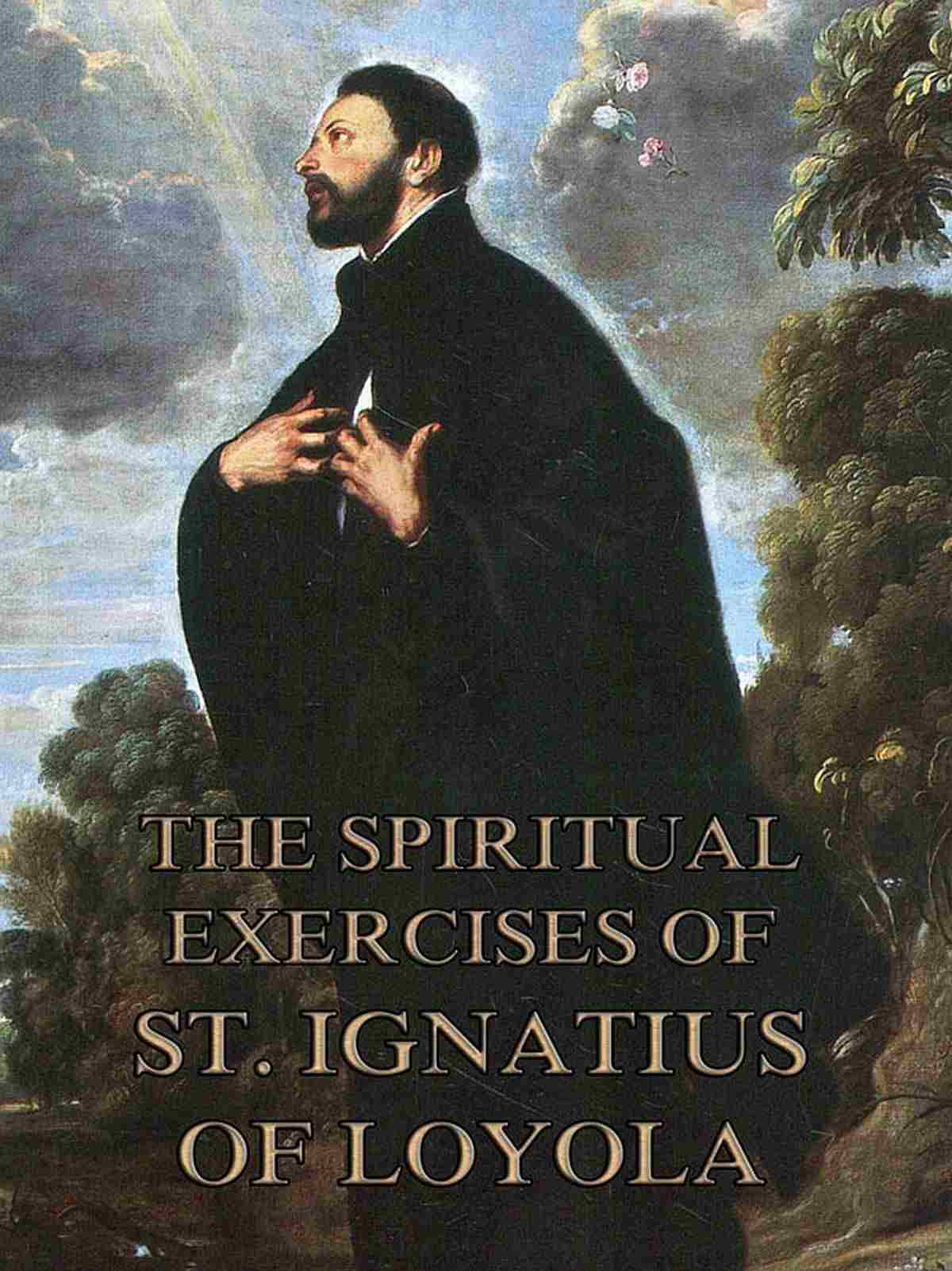
Discovering God’s Presence Through Prayer and Reflection
Among the greatest contributions of Saint Ignatius of Loyola to Christian spirituality is the Spiritual Exercises, a profound guide to prayer, meditation, discernment, and personal transformation. Written in the early sixteenth century, this remarkable work has shaped the spiritual lives of countless people, including priests, religious, and lay faithful across the world.
Far more than a book to be read, the Spiritual Exercises are a practical program for encountering God, deepening one’s relationship with Christ, and discerning God’s will in everyday life. For more than four centuries, they have remained one of the most influential spiritual guides in Christian history.
The Origin of the Spiritual Exercises
The Spiritual Exercises emerged from Saint Ignatius’s own journey of conversion.
In 1521, Ignatius was seriously wounded during the Battle of Pamplona. During his lengthy recovery, he read the life of Christ and the lives of the saints. These readings awakened within him a desire to abandon worldly ambitions and dedicate himself entirely to God.
After leaving his military career, Ignatius spent nearly a year in Manresa, Spain, living a life of prayer, fasting, and contemplation. During this period, he experienced profound spiritual insights that transformed his understanding of God, human nature, and the spiritual life.
He carefully recorded these experiences, reflections, and methods of prayer. Over time, these notes evolved into the Spiritual Exercises, which he refined while accompanying others in their own spiritual journeys.
The book was officially approved by Pope Paul III in 1548, and since then it has become a cornerstone of Ignatian spirituality.
What Are the Spiritual Exercises?
Despite its title, the Spiritual Exercises is not a collection of physical exercises. Instead, it is a structured program of spiritual practices designed to help individuals:
- Deepen their relationship with God.
- Reflect honestly on their lives.
- Recognize God’s presence.
- Discern God’s will.
- Overcome sinful habits.
- Make important life decisions with wisdom.
- Grow in love and service.
Ignatius compared spiritual training to physical exercise. Just as the body grows stronger through regular practice, the soul grows through prayer, reflection, and disciplined spiritual habits.
The Purpose of the Spiritual Exercises
Saint Ignatius describes the purpose of the Exercises in the opening principle:
“The Spiritual Exercises are intended to help a person conquer self and regulate one’s life without reaching a decision through any disordered attachment.”
The central goal is spiritual freedom—becoming free from unhealthy attachments so that one can choose whatever best serves God’s greater glory.
The Exercises invite participants to ask not merely, “What do I want?” but “What is God calling me to do?”
Structure of the Spiritual Exercises
The Spiritual Exercises are traditionally divided into four “Weeks.” These are spiritual stages rather than seven-day periods. Depending on the retreat format, each stage may last several days or even weeks.
First Week: Knowing God’s Love and Recognizing Sin
The first stage focuses on understanding God’s unconditional love while honestly confronting personal sin and human weakness.
Participants meditate on:
- God’s gifts.
- Human freedom.
- The reality of sin.
- God’s mercy.
- The need for conversion.
The purpose is not to create guilt but gratitude—recognizing that God’s love is greater than human failure.
Many retreatants experience deep healing during this phase.
Second Week: Following Christ
The second week centers on the public life of Jesus.
Through imaginative prayer, participants reflect on Gospel scenes such as:
- The Annunciation.
- The Nativity.
- Jesus’ baptism.
- His miracles.
- His preaching.
- The calling of the disciples.
Ignatius encourages retreatants to imagine themselves present within these biblical events.
This method helps participants develop a personal relationship with Christ and discern how they are called to follow Him.
A major theme of this week is discernment—learning to recognize God’s guidance in life’s important decisions.
Third Week: Sharing in Christ’s Passion
The third week invites participants to accompany Jesus during His suffering and death.
Meditations include:
- The Last Supper.
- Gethsemane.
- The trials before Pilate.
- The Crucifixion.
- Christ’s death.
Rather than simply studying these events, retreatants prayerfully enter them with compassion and gratitude.
The goal is to appreciate the depth of Christ’s love expressed through His sacrifice.
Fourth Week: Rejoicing in the Resurrection
The final week celebrates Christ’s Resurrection.
Participants reflect on:
- The empty tomb.
- Jesus’ appearances to the disciples.
- The Great Commission.
- The joy of new life.
This stage emphasizes hope, gratitude, and the mission of bringing Christ’s love into the world.
The retreat concludes by inviting participants to become active disciples committed to serving others.
Key Themes of the Spiritual Exercises
Finding God in All Things
Perhaps the best-known principle of Ignatian spirituality is the conviction that God can be encountered everywhere—in work, family life, friendships, nature, study, and ordinary daily experiences.
Rather than separating prayer from everyday life, Ignatius teaches that every moment can become an opportunity to encounter God.
Discernment of Spirits
One of Ignatius’s greatest spiritual contributions is his teaching on discernment.
He observed that people experience different interior movements—thoughts, emotions, desires, fears, and inspirations.
Through prayerful reflection, individuals learn to distinguish between movements that draw them closer to God and those that lead them away from God’s love.
Discernment is especially valuable when making significant life decisions involving vocation, relationships, career, or service.
Holy Indifference
Ignatius speaks of cultivating “holy indifference,” meaning freedom from disordered attachments.
This does not mean apathy or lack of concern. Instead, it means being open to God’s will above personal preferences, trusting that God’s plan leads to true fulfillment.
Such freedom enables believers to choose what best serves God’s purpose rather than what merely satisfies personal desires.
The Examen Prayer
One of the most practical gifts of Ignatian spirituality is the Daily Examen, a brief prayer of reflection that helps believers become more aware of God’s presence in daily life.
The Examen typically follows five steps:
- Give thanks for God’s blessings.
- Ask for the grace to see the day clearly.
- Review the events of the day.
- Acknowledge moments of failure and receive God’s mercy.
- Look forward with hope and resolve for the coming day.
Many people spend just 10 to 15 minutes each evening practicing the Examen.
The Spiritual Exercises Today
The Spiritual Exercises continue to be offered around the world in various formats.
30-Day Silent Retreat
The complete retreat is often experienced over thirty days of silence, prayer, and daily meetings with a spiritual director.
Eight-Day Retreat
Many retreat centers offer shorter retreats following the same structure.
Retreat in Daily Life
Participants continue their ordinary work and family responsibilities while praying each day over several months under the guidance of a spiritual director.
Online Retreats
Many dioceses, retreat centers, and Jesuit ministries now offer online versions of the Spiritual Exercises, making Ignatian spirituality accessible to people worldwide.
Influence on the Catholic Church
The Spiritual Exercises have profoundly influenced Catholic spirituality.
They have shaped:
- The Society of Jesus (Jesuits).
- Priestly formation.
- Religious communities.
- Lay spirituality.
- Catholic education.
- Retreat ministry.
- Spiritual direction.
- Leadership formation.
Many saints, bishops, missionaries, and popes have drawn inspiration from the Exercises throughout history.
Relevance in the Modern World
Although written nearly five centuries ago, the Spiritual Exercises remain remarkably relevant.
In an age marked by distraction, stress, and constant activity, Ignatius’s approach offers:
- Interior peace.
- Greater self-awareness.
- Better decision-making.
- Deeper prayer.
- Stronger relationships.
- A balanced approach to work and faith.
- A renewed sense of purpose.
Its emphasis on reflection, gratitude, and discernment speaks to people seeking meaning amid the complexities of modern life.
Memorable Ignatian Insights
Several well-known principles capture the spirit of the Exercises:
- “Love ought to show itself in deeds more than in words.”
- “Find God in all things.”
- “For the Greater Glory of God” (Ad Majorem Dei Gloriam).
- “Seek and find God’s will in every circumstance.”
These themes encourage believers to unite contemplation with action, allowing prayer to shape daily life.
Lessons from the Spiritual Exercises
The Spiritual Exercises teach that:
- Every person is deeply loved by God.
- Prayer is a conversation with God, not merely a religious duty.
- Honest self-examination leads to growth.
- Freedom comes from surrendering unhealthy attachments.
- Wise decisions require prayerful discernment.
- Christ calls every believer to loving service.
- Faith is expressed through action as well as contemplation.
Conclusion
The Spiritual Exercises of Saint Ignatius of Loyola remain one of Christianity’s greatest treasures. More than a manual for retreat, they offer a lifelong path toward knowing God, understanding oneself, and serving others with generosity and joy.
For nearly five centuries, these exercises have helped people of every vocation and background discover a deeper relationship with Christ. Their enduring message is simple yet profound: God is present in every aspect of life, inviting each person to respond with faith, freedom, and love.
In a world often marked by uncertainty and distraction, the Spiritual Exercises continue to provide a practical and transformative way to encounter God, discern His will, and live “for the greater glory of God” (Ad Majorem Dei Gloriam).
Leave a Reply