
A Detailed and Systematic Summary
1. Introduction
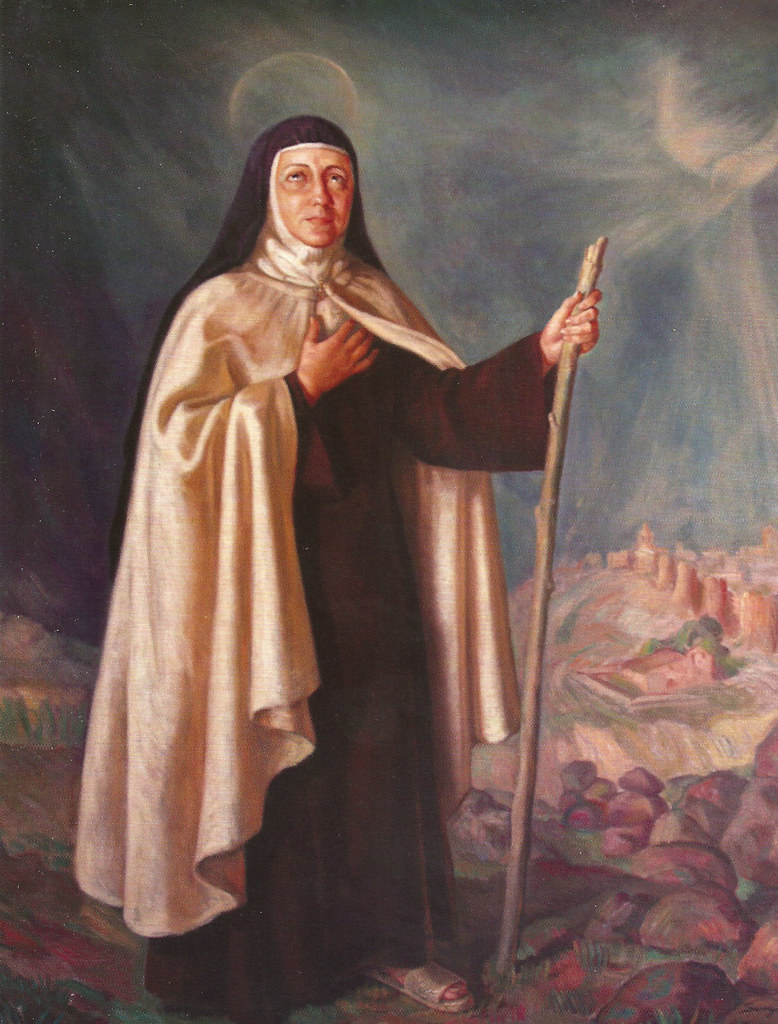
Method for Visiting the Convents (Modo de visitar los conventos) is a practical and spiritual writing associated with Saint Teresa of Ávila (1515–1582), the great Carmelite mystic, reformer, and foundress of the Discalced Carmelite communities.
While Teresa’s major works, such as The Interior Castle and The Way of Perfection, explore the soul’s relationship with God and the virtues necessary for contemplative prayer, Method for Visiting the Convents concerns the spiritual governance of religious communities. It focuses on the responsibilities involved in examining the life of a convent, encouraging fidelity to its vocation, correcting difficulties, and promoting peace among its members.
The work reflects Teresa’s practical wisdom as a reformer who founded and guided numerous Carmelite communities. She understood that the spiritual health of a convent required more than good intentions. It also depended on wise leadership, careful discernment, mutual charity, and fidelity to the community’s rule of life.
The central concern is how those entrusted with the visitation of a convent can help a religious community remain faithful to its spiritual purpose.
Editorial clarification: The title is sometimes rendered in English as Method of Visiting the Convents or Method for Visiting the Convents. Its precise attribution, textual form, and relationship to the wider corpus of Teresa’s writings should be checked against the edition being used. The thematic summary below draws on Teresa’s established approach to Carmelite reform and spiritual governance; it is not a clause-by-clause translation of a verified original text.
2. Historical Background
Saint Teresa undertook the reform of the Carmelite Order during the sixteenth century. Her first reformed convent, St Joseph’s in Ávila, was founded in 1562. In the years that followed, she established additional communities dedicated to prayer, contemplative life, evangelical poverty, and fraternal charity.
Founding a convent was only the beginning. Each community needed continuing guidance to preserve its spiritual identity, address internal difficulties, and maintain fidelity to its rule.
Teresa’s experience taught her that religious communities could encounter challenges involving personal relationships, discipline, material administration, leadership, and differences in spiritual maturity.
A visitation provided an opportunity to examine these matters and help the community renew its commitment to its vocation.
The underlying purpose was not simply to discover faults. It was to ensure that the convent remained a place where the sisters could grow in holiness and serve God faithfully.
3. The Purpose of Visiting a Convent
The principal purpose of a visitation is the spiritual welfare of the community.
A religious house may possess a sound rule and a regular schedule of prayer, yet still experience difficulties that weaken its common life. Personal conflicts, negligence, misunderstandings, or imprudent decisions can gradually affect the community’s spiritual atmosphere.
A visitation helps identify such difficulties and encourages appropriate remedies.
Its principal objectives may be summarized as follows:
- To examine the community’s fidelity to its religious vocation.
- To encourage perseverance in prayer and common observance.
- To promote peace, unity, and fraternal charity.
- To identify and correct abuses or practices that undermine religious life.
- To assess the conduct and responsibilities of superiors.
- To encourage responsible administration of material goods.
- To listen to the concerns of individual members.
- To strengthen the community’s commitment to humility, poverty, and obedience.
The ultimate goal is renewal rather than mere inspection.
A visitation should help a community become more faithful to the purpose for which it exists: seeking God through prayer, fraternal life, and service to the Church.
4. The Spiritual Attitude of the Visitor
4.1. Charity as the Foundation of Leadership
A person visiting a religious community must approach the task with charity.
The visitor should not act merely as an inspector searching for errors. The purpose is to understand the real condition of the community and help it grow in fidelity.
This requires patience, attentiveness, and a sincere desire for the spiritual good of the sisters.
Teresa’s wider spirituality consistently emphasizes that genuine holiness is inseparable from love. Therefore, correction must never become an excuse for personal hostility, humiliation, or the exercise of authority for its own sake.
Charity does not mean ignoring serious problems. Rather, it ensures that problems are addressed in a manner directed toward truth, justice, and genuine improvement.
Spiritual lesson: Correction is most fruitful when it arises from a sincere concern for the person and the community.
4.2. Prudence and Discernment
Every convent has its own circumstances, strengths, and difficulties.
A visitor must therefore avoid reaching conclusions too quickly. A problem that appears to arise from disobedience may involve misunderstanding, inadequate communication, illness, or other circumstances requiring careful consideration.
Prudence involves listening, examining the available facts, distinguishing serious concerns from minor disagreements, and choosing an appropriate response.
Teresa’s experience as a foundress made her attentive to the practical realities of religious life. Her broader approach suggests that good governance requires both spiritual conviction and sound judgment.
4.3. Humility
The visitor must remember that authority is entrusted for service.
Humility helps prevent the visitor from treating personal preferences as universal requirements or assuming that every difficulty can be solved through forceful commands.
It also allows the visitor to listen to the community’s experience and recognize circumstances that may not be immediately apparent.
Humility does not weaken legitimate authority. It helps authority serve its proper purpose.
4.4. Fairness and Impartiality
A visitation must not become an instrument for settling personal disputes or favouring particular individuals.
The visitor should listen to concerns carefully and seek an accurate understanding of the situation before making judgments.
Fairness requires that individual members be treated with dignity and that concerns be evaluated on their merits.
This principle is particularly important in religious communities, where personal relationships and shared responsibilities can become closely intertwined.
5. Examining the Spiritual Life of the Community
5.1. Fidelity to Prayer
Prayer is the heart of Carmelite life. Consequently, a visitation should consider whether the community is protecting its contemplative vocation.
Questions naturally arise concerning the regularity of prayer, participation in communal worship, personal recollection, and the influence of unnecessary activities upon the community’s spiritual life.
The purpose is not to measure holiness through external appearances. Rather, it is to ensure that the community’s daily arrangements genuinely support its vocation.
5.2. Observance of the Rule
Religious rules provide a shared framework for community life.
A visitor must consider whether the community is faithful to its legitimate obligations and whether any departures from the rule require attention.
At the same time, sound discernment distinguishes deliberate neglect from difficulties caused by circumstances that require pastoral consideration.
The objective is to restore fidelity and strengthen the community’s common commitment.
5.3. Silence and Recollection
For contemplative communities, silence protects the conditions necessary for prayer.
A visitation may therefore consider whether unnecessary conversations, avoidable distractions, or excessive external activity are interfering with recollection.
However, silence should not be confused with emotional isolation or indifference to the needs of others.
Teresa’s understanding of spiritual life connects recollection with love. The purpose of silence is to foster attentiveness to God and deepen the capacity to love one’s neighbour.
5.4. Personal Growth in Virtue
The health of a convent cannot be assessed solely through schedules and regulations.
A community must also cultivate humility, patience, obedience, mutual respect, and charity.
A visitation should therefore encourage the sisters to examine whether their common life is helping them grow in these virtues.
The essential question is not simply whether everything is being done according to a schedule, but whether the community is becoming more faithful to Christ.
6. Listening to Individual Members
A particularly important aspect of responsible visitation is listening to the members of the community.
The superior’s account of a situation may not always reveal the whole picture. Individual sisters may have concerns about community life, relationships, discipline, or the exercise of authority that need to be heard.
Listening allows the visitor to understand the community from different perspectives.
It also gives members an opportunity to raise difficulties that they may find uncomfortable to discuss in a group.
Such conversations should be conducted with discretion, fairness, and respect for the dignity of everyone involved.
Listening does not mean automatically accepting every complaint as true. It means taking concerns seriously, examining them responsibly, and avoiding judgments based on incomplete information.
Spiritual lesson: Good governance begins with the willingness to listen before deciding.
7. Correcting Faults and Resolving Difficulties
7.1. Correction Should Aim at Renewal
Every community has weaknesses. The important question is how those weaknesses are addressed.
Teresa’s wider spiritual teaching places great emphasis on humility, self-knowledge, and the gradual purification of the heart.
Applied to religious governance, this suggests that correction should help individuals and communities recognize problems, accept responsibility, and make meaningful changes.
The visitor should distinguish between minor imperfections, recurring problems, and serious matters that require formal intervention.
7.2. Avoiding Unnecessary Severity
Excessive severity can produce fear, resentment, and concealment rather than genuine reform.
Correction that humiliates individuals may damage the trust necessary for healthy community life.
Prudent leadership therefore seeks a proportionate response. It combines clarity about legitimate obligations with patience and an understanding of human weakness.
This does not mean tolerating serious misconduct or neglect. It means addressing difficulties in a manner that is both firm and just.
7.3. Addressing Serious Problems
Some problems cannot be resolved through informal encouragement alone.
Serious misconduct, persistent disregard for legitimate authority, misuse of community resources, or behaviour that harms others may require formal measures according to the applicable religious law and the proper authority of the Church.
A responsible visitor must distinguish pastoral encouragement from matters that require an official process.
Teresa’s historical setting differs from contemporary ecclesiastical structures, so present-day procedures must follow the applicable canon law, safeguarding requirements, and the constitutions of the religious institute.
7.4. Restoring Peace
The purpose of correction is not merely to establish order but to help restore a healthy community.
Where relationships have broken down, appropriate steps may include clarification, reconciliation, changes in practice, or further guidance.
Peace does not require concealing the truth. Lasting peace depends on honesty, justice, and a willingness to address the causes of conflict.
8. The Responsibilities of Superiors
A visitation naturally includes consideration of the leadership of the convent.
The superior has a responsibility to preserve the spiritual character of the community, guide its members, manage its practical affairs, and promote unity.
A visitor may need to examine whether these responsibilities are being fulfilled properly.
8.1. Spiritual Leadership
The superior should encourage prayer, fidelity to the rule, and growth in virtue.
Leadership is not limited to ensuring that activities take place. It must also support the spiritual purpose behind them.
8.2. Justice and Charity
Superiors should treat members fairly and avoid favouritism.
Differences in personality or spiritual maturity should not become reasons for arbitrary treatment.
8.3. Responsible Administration
Material resources must be managed honestly and prudently.
Financial disorder, careless administration, or inappropriate use of community goods can harm the entire community and distract it from its vocation.
8.4. Accountability
Authority must remain accountable to the legitimate structures of the religious institute and the Church.
A visitation provides an opportunity to examine whether responsibilities are being fulfilled and whether additional guidance is needed.
These principles reflect the wider spiritual logic of Teresa’s reform: authority exists to safeguard the vocation of the community.
9. Material Administration and Simplicity of Life
Teresa’s Carmelite reform emphasized evangelical poverty and freedom from unnecessary attachment to possessions.
Yet a convent still needs practical arrangements for food, clothing, buildings, maintenance, and other necessities.
A responsible visitation must therefore consider whether material resources are being managed in a way that supports the community’s religious purpose.
The key concerns include responsible stewardship, simplicity, transparency, and the avoidance of waste.
Material goods should serve the community rather than become a source of rivalry or excessive preoccupation.
Teresa’s wider spirituality also reminds religious communities that poverty must be understood in relation to trust in God and the responsible fulfilment of genuine needs.
Spiritual lesson: Good stewardship is part of religious fidelity when it enables the community to live simply and fulfil its mission responsibly.
10. The Relationship Between Visitation and Spiritual Renewal
A visitation is most fruitful when it leads to concrete renewal.
Identifying problems is only the beginning. The community must understand what needs to change and how the necessary changes can be implemented.
This may involve renewed attention to prayer, clearer responsibilities, improved communication, reconciliation between members, or more careful administration.
The visitor’s task is not complete simply because observations have been made. The wider purpose is to help the community return more fully to its spiritual priorities.
This perspective distinguishes a spiritual visitation from a merely administrative inspection.
The questions that matter most are:
- Is the community growing in fidelity to its vocation?
- Are its members being supported in their spiritual life?
- Is authority being exercised responsibly?
- Are relationships marked by justice and charity?
- Are practical arrangements serving the community’s mission?
- Have identified difficulties been addressed appropriately?
These questions direct attention toward lasting improvement rather than superficial conformity.
11. The Relationship with Teresa’s Other Writings
Method for Visiting the Convents is best understood alongside Teresa’s other works on prayer, community life, and religious reform.
| Work | Main emphasis | Connection with visitation |
|---|---|---|
| The Book of Her Life | Teresa’s spiritual journey and experience of prayer | Reveals the spiritual convictions that shaped her reform. |
| The Way of Perfection | Prayer, humility, detachment, and charity | Explains the virtues needed for healthy community life. |
| The Interior Castle | The soul’s journey toward union with God | Provides a deeper vision of spiritual maturity. |
| The Book of Foundations | Founding and governing reformed Carmelite communities | Illustrates the practical challenges of religious leadership. |
| The Constitutions | Common discipline and organization of religious life | Provides the broader legislative context for community observance. |
| Spiritual Testimonies (Relaciones) | Interior experiences and spiritual discernment | Illustrates Teresa’s concern for discernment and fidelity. |
Together, these works reveal Teresa’s conviction that authentic spiritual life must be supported by wise and responsible community structures.
12. Lessons for Contemporary Religious Leadership
Although Teresa’s work emerged in sixteenth-century Spain, several principles remain relevant to contemporary religious leadership.
12.1. Leadership Must Be Pastoral
A leader should understand the people entrusted to his or her care and seek their spiritual and human well-being.
12.2. Listening Is Essential
A sound decision requires an adequate understanding of the facts and the perspectives of those affected.
12.3. Correction Must Be Just
Problems should be addressed clearly, proportionately, and without humiliation or favouritism.
12.4. Spiritual Life Must Remain Central
Administrative efficiency is valuable, but it cannot replace the spiritual purpose of a religious community.
12.5. Accountability Protects the Community
Responsible oversight helps preserve trust, prevent abuses, and ensure that authority serves the common good.
12.6. Renewal Requires Follow-Through
A visitation should lead to practical steps that address identified difficulties and strengthen the community’s life.
These principles can be applied broadly to religious houses, seminaries, parishes, and other Catholic institutions, while respecting their distinct forms of governance and applicable Church law.
13. Major Spiritual Lessons
The principal lessons associated with Teresa’s approach to visiting and guiding religious communities can be summarized as follows:
- Seek the good of the community. The purpose of leadership is to protect and strengthen its spiritual vocation.
- Listen before judging. Careful listening helps uncover the real causes of difficulties.
- Correct with charity. Truth and firmness should be joined with respect for human dignity.
- Promote fidelity to prayer. Spiritual life must remain at the centre of the community.
- Exercise authority humbly. Leadership should be service rather than self-assertion.
- Encourage accountability. Responsible oversight protects both individuals and the institution.
- Use material resources wisely. Simplicity and sound administration support religious life.
- Work toward reconciliation. The goal of correction is a healthier and more faithful community.
- Seek lasting renewal. A visitation should lead to meaningful improvement rather than remain a formal exercise.
14. Conclusion
Method for Visiting the Convents belongs to the practical dimension of Saint Teresa of Ávila’s legacy as a contemplative mystic and religious reformer.
Teresa understood that a community devoted to God needs prayer, discipline, wise leadership, responsible administration, and genuine charity. Its spiritual health cannot be separated from the quality of its relationships or the manner in which its authority is exercised.
A visitation, properly understood, is therefore more than an inspection. It is an opportunity to examine the community’s fidelity, listen to its members, correct what needs attention, and renew its commitment to the Gospel.
Teresa’s broader spirituality offers a lasting principle for such work: rules and structures are valuable when they help people grow in holiness and love.
The ultimate purpose of visiting a religious community is not simply to discover what is wrong, but to help the community become more faithful to God, more united in charity, and more effective in living its vocation.
References and Further Reading
- Teresa of Ávila, The Book of Her Life (Libro de la Vida).
- Teresa of Ávila, The Way of Perfection (Camino de Perfección).
- Teresa of Ávila, The Interior Castle (Castillo Interior).
- Teresa of Ávila, The Book of Foundations (Libro de las Fundaciones).
- Teresa of Ávila, Constitutions (Constituciones).
- Kieran Kavanaugh, OCD, and Otilio Rodriguez, OCD, trans., The Collected Works of St. Teresa of Ávila.
- Historical studies of the Teresian reform and the Discalced Carmelite Order.
Publication note: This is a thematic overview of the principles of spiritual visitation in the context of Teresa’s reform, not a verified chapter-by-chapter summary of a specific text titled Modo de visitar los conventos. Before publishing it as a direct summary of that work, verify the title, attribution, and original text in a reliable edition.
Leave a Reply