
Introduction
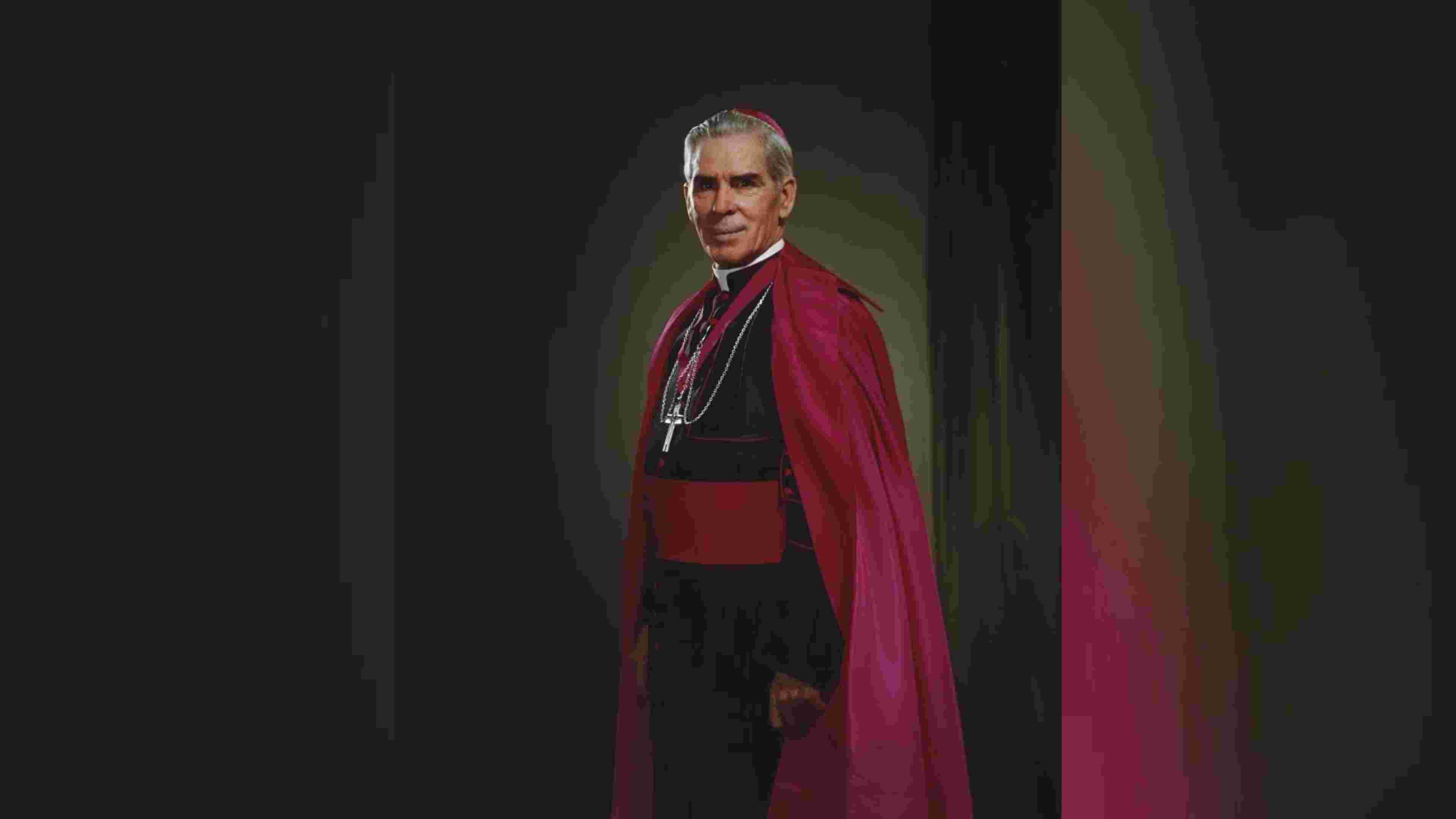
Archbishop Fulton J. Sheen was one of the most influential Catholic preachers of the twentieth century. His profound spirituality, eloquent preaching, and deep love for Jesus Christ inspired millions around the world. Among the many subjects he taught, prayer occupied a central place. Sheen firmly believed that prayer is not merely the recitation of words or the fulfillment of a religious obligation. Rather, prayer is a living dialogue between God and the human soul.
In a world filled with noise, distractions, and constant activity, Sheen’s teaching on prayer remains remarkably relevant. He taught that prayer is the means by which believers enter into a personal relationship with God, discover His will, receive His grace, and grow in holiness. Prayer is not simply speaking to God; it is also listening to Him.
For Archbishop Sheen, the essence of prayer can be summed up in one phrase: Prayer is a dialogue.
Prayer Is More Than Words
Many people think of prayer primarily as speaking to God—asking for favors, expressing gratitude, or presenting needs. While these are important aspects of prayer, Sheen emphasized that prayer involves much more.
A conversation requires two participants. If one person speaks continuously without listening, there is no real dialogue. Similarly, prayer becomes incomplete when believers speak to God without taking time to hear His voice.
Sheen often observed that many people approach prayer as though God were merely a heavenly supplier of blessings. They bring requests, concerns, and petitions but seldom pause to listen.
Authentic prayer involves both speaking and listening. It is an encounter between two persons: God and the believer.
God Speaks to the Human Heart
Archbishop Sheen taught that God constantly seeks to communicate with His children.
Throughout salvation history, God spoke through the prophets, through Sacred Scripture, and ultimately through His Son, Jesus Christ. Even today, God continues to speak through His Word, the teachings of the Church, the events of daily life, and the gentle movements of grace within the soul.
However, God’s voice is often quiet.
The prophet Elijah discovered God not in the wind, earthquake, or fire but in a gentle whisper. Likewise, believers must cultivate interior silence if they wish to hear God’s voice.
Sheen frequently warned that the noise of modern life can drown out divine communication. The constant pursuit of entertainment, possessions, and worldly success often leaves little room for listening to God.
Prayer creates that space.
The Importance of Silence
One of Archbishop Sheen’s most beloved teachings concerns the value of silence.
He often remarked that people spend too much time talking and too little time listening. In prayer, silence is not emptiness. It is a sacred openness to God.
Silence allows the soul to become attentive to God’s presence.
For Sheen, silence was not merely the absence of noise but the presence of God. It is in moments of quiet reflection that believers become aware of divine guidance, correction, encouragement, and love.
He believed that many spiritual problems arise because people fail to spend time in silent prayer before the Lord.
The saints understood this truth well. Their lives were marked by periods of prayerful silence in which they listened attentively to God.
Prayer as Friendship with Christ
Archbishop Sheen often described prayer as a personal relationship with Jesus Christ.
Just as friendships require communication, so too does friendship with Christ.
A healthy friendship involves sharing joys, struggles, hopes, fears, and concerns. It also requires listening attentively to the other person. The same principle applies to prayer.
When believers pray, they open their hearts to Christ. They share their lives with Him and allow Him to shape their thoughts, desires, and decisions.
Prayer gradually transforms the believer because genuine friendship always changes those who participate in it.
The more one spends time with Christ, the more one begins to think, love, and act like Christ.
The Holy Hour: Sheen’s School of Prayer
Perhaps no aspect of Archbishop Sheen’s spiritual life is more famous than his daily Holy Hour.
For more than sixty years, Sheen spent an hour each day in Eucharistic adoration before the Blessed Sacrament. He often credited this practice as the source of his spiritual strength and effectiveness in ministry.
The Holy Hour beautifully illustrates his understanding of prayer as dialogue.
During Eucharistic adoration, Sheen did not simply speak to Jesus. He listened.
He often explained that spending time in Christ’s presence gradually transforms the soul. The believer learns to recognize God’s voice, understand His will, and receive His grace.
Sheen encouraged priests and laypeople alike to adopt regular periods of silent prayer before the Eucharistic Lord.
Prayer Changes the Person Who Prays
Archbishop Sheen frequently noted that prayer does not primarily change God; it changes the person who prays.
God already knows our needs before we ask. He understands our struggles, desires, and fears.
Prayer therefore is not about informing God. It is about transforming ourselves.
When believers pray, their hearts become more receptive to God’s will. Their priorities begin to shift. Their selfishness gradually gives way to charity, humility, and trust.
Prayer aligns the human heart with the heart of God.
Over time, prayer changes not only how believers think but also how they live.
Listening Through Scripture
One of the primary ways God speaks is through Sacred Scripture.
Archbishop Sheen encouraged Catholics to read and meditate on the Bible prayerfully rather than merely academically.
Scripture is not simply an ancient text. It is the living Word of God.
When believers read the Scriptures with faith, God speaks directly to their hearts.
Sheen often advised people to spend time reflecting on Gospel passages, imagining themselves present in the events of Christ’s life, and allowing His words to penetrate deeply into their souls.
Such meditation transforms reading into dialogue.
The believer listens while God speaks through His Word.
Obstacles to Prayer
Archbishop Sheen identified several obstacles that hinder authentic prayer.
Distraction
Modern life is filled with distractions that fragment attention and weaken spiritual focus.
Pride
Some people rely entirely on their own abilities and fail to recognize their dependence upon God.
Impatience
Many expect immediate answers and become discouraged when God’s timing differs from their own.
Routine
Prayer can become mechanical when words are repeated without attention or devotion.
Sheen encouraged believers to persevere despite these challenges, remembering that prayer is an act of love and faithfulness.
Prayer and Trust
At the heart of Sheen’s understanding of prayer lies trust.
True prayer requires confidence in God’s wisdom and goodness.
Sometimes God answers prayers exactly as requested. At other times, He responds differently because He sees a greater good that remains hidden from human understanding.
Prayer is therefore not an attempt to persuade God to adopt our plans. Rather, it is a process of learning to trust His plans.
The believer who prays sincerely eventually learns to say with Christ:
“Not my will, but Yours be done.”
This surrender represents one of the highest forms of prayer.
Prayer in Everyday Life
Archbishop Sheen believed that prayer should not be confined to churches or special occasions.
Every aspect of life can become prayer when offered to God.
Work, family responsibilities, acts of charity, suffering, and ordinary daily tasks can all become opportunities for dialogue with God.
Short prayers throughout the day help maintain awareness of God’s presence.
The goal is not merely to pray occasionally but to live prayerfully.
A Christian who remains conscious of God’s presence throughout the day experiences life itself as a continual conversation with the Lord.
Lessons from Fulton Sheen’s Teaching on Prayer
Archbishop Sheen’s reflections on prayer offer several enduring lessons:
- Prayer is a dialogue, not a monologue.
- Listening is as important as speaking.
- Silence creates space for God’s voice.
- Prayer deepens friendship with Christ.
- Sacred Scripture is a privileged means of divine communication.
- Prayer transforms the person who prays.
- Trust is essential to authentic prayer.
- The Eucharist is a powerful school of prayer.
- Every Christian is called to cultivate a life of prayer.
Conclusion
Archbishop Fulton Sheen’s teaching on prayer remains a timely reminder that Christianity is fundamentally a relationship with a living God. Prayer is not merely the recitation of formulas or the presentation of requests. It is a loving dialogue between the Creator and His children.
In prayer, believers speak to God from the depths of their hearts. More importantly, they learn to listen as God speaks through Scripture, silence, grace, and the events of daily life.
The example of Archbishop Sheen’s daily Holy Hour demonstrates that authentic prayer requires time, attention, and openness. Through such prayer, hearts are transformed, faith is strengthened, and lives are renewed.
Ultimately, prayer is not about changing God; it is about allowing God to change us. As we enter into this sacred dialogue, we discover that God has been speaking all along, patiently inviting us into a deeper relationship with Him.
In the words and witness of Archbishop Fulton Sheen, prayer is the meeting place of divine love and human response—a conversation that begins on earth and continues forever in heaven.
Leave a Reply