
Introduction
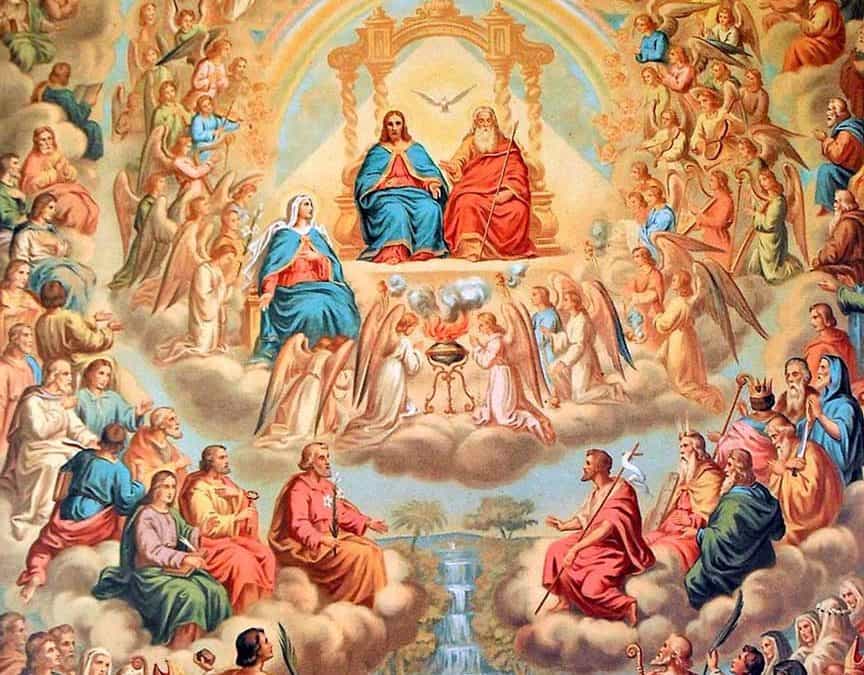
In every age, humanity searches for truth, meaning, and direction. People seek answers to life’s deepest questions: Why are we here? What is the purpose of suffering? How can we find lasting happiness? Amid the confusion of changing cultures, conflicting ideologies, and worldly distractions, the Catholic Church stands as a beacon of truth, guiding souls toward God. Alongside the Church’s teachings shines the wisdom of the saints—holy men and women who lived the Gospel heroically and whose lives continue to inspire countless believers.
The saints are not merely historical figures or religious heroes. They are witnesses to the transforming power of God’s grace. Their lives demonstrate that holiness is possible in every age, culture, and circumstance. Through their writings, prayers, sacrifices, and examples, they illuminate the path to heaven. Together, the teachings of the Catholic Church and the wisdom of the saints provide a spiritual compass for navigating life’s challenges and growing closer to Christ.
The Catholic Church: Guardian of Divine Truth
Jesus Christ established the Church to continue His mission of salvation in the world. Before ascending into heaven, He entrusted His teachings to the Apostles and promised to remain with His Church until the end of time.
The Church is not merely a human institution; it is the Mystical Body of Christ. Guided by the Holy Spirit, the Church preserves and proclaims the truths revealed by God. Through Sacred Scripture, Sacred Tradition, and the Magisterium, the Church safeguards the fullness of the Christian faith.
Throughout history, countless philosophies and ideologies have come and gone. Yet the teachings of the Catholic Church remain steadfast because they are rooted in divine revelation. The Church teaches us who God is, who we are, and how we are called to live.
The Catechism of the Catholic Church serves as a treasure house of spiritual wisdom, helping believers understand the faith more deeply and live it more faithfully.
The Saints: Living Examples of the Gospel
The saints are often called “the Gospel made visible.” They translated the teachings of Christ into daily life. Their holiness was not achieved through extraordinary human effort alone but through complete surrender to God’s grace.
Some saints were priests, bishops, and religious. Others were kings, queens, farmers, laborers, students, parents, and even children. Their diversity reminds us that holiness is not limited to a particular vocation or social status.
The saints teach us that:
- Holiness is possible for everyone.
- God’s grace can transform even the greatest sinners.
- Suffering can become a path to sanctity.
- Love is the essence of Christian life.
- Heaven is our ultimate destination.
By studying their lives, we discover practical ways to live our faith amid the challenges of the modern world.
The Wisdom of St. Augustine
Among the greatest teachers of the Church is St. Augustine. After years of searching for truth in worldly pleasures and philosophies, he encountered Christ and experienced a profound conversion.
His famous words continue to resonate today:
“You have made us for Yourself, O Lord, and our hearts are restless until they rest in You.”
This insight reveals a fundamental truth about human nature. Every person longs for happiness, but no earthly possession, achievement, or relationship can fully satisfy the deepest desires of the human heart. Only God can fill the spiritual emptiness within us.
Augustine teaches us the importance of conversion, humility, prayer, and dependence on divine grace.
The Wisdom of St. Thomas Aquinas
St. Thomas Aquinas is often regarded as one of the greatest theologians in Christian history. He demonstrated that faith and reason are not enemies but allies.
In a world where many people view religion and science as opposing forces, Aquinas reminds us that all truth comes from God. Human reason can help us understand aspects of God’s creation, while divine revelation leads us beyond what reason alone can discover.
His teachings continue to influence Catholic theology, philosophy, ethics, and education.
The Wisdom of St. Francis of Assisi
St. Francis of Assisi is remembered for his simplicity, humility, and love for creation.
Born into wealth, Francis abandoned worldly riches to follow Christ completely. His life teaches us that true happiness does not come from possessions but from a relationship with God.
Francis loved the poor, cared for the sick, and saw God’s presence reflected in all creation. His example challenges modern society’s obsession with materialism and invites us to embrace simplicity, gratitude, and generosity.
The Wisdom of St. Teresa of Calcutta
St. Teresa of Calcutta, known worldwide as Mother Teresa, dedicated her life to serving the poorest of the poor.
Her wisdom was profoundly simple:
“Not all of us can do great things. But we can do small things with great love.”
In a culture that often measures success by wealth, fame, or influence, Mother Teresa reminds us that greatness in God’s eyes is measured by love.
She teaches that every human person possesses inherent dignity because each person is created in the image of God.
The Wisdom of St. Thérèse of Lisieux
St. Thérèse of the Child Jesus, often called “The Little Flower,” revolutionized spiritual life through her “Little Way.”
She realized that not everyone is called to perform extraordinary deeds. Instead, holiness can be achieved through ordinary acts performed with extraordinary love.
Her spirituality emphasizes:
- Trust in God’s mercy
- Childlike confidence in God
- Humility
- Hidden sacrifice
- Daily fidelity
Her message is especially relevant for ordinary Christians seeking holiness in everyday life.
The Wisdom of St. John Paul II
One of the most influential saints of modern times, St. John Paul II addressed many challenges facing contemporary society.
He boldly proclaimed the dignity of human life, the sanctity of marriage, the importance of family, and the call to holiness.
His famous exhortation remains powerful:
“Do not be afraid. Open wide the doors for Christ.”
In a world often marked by fear, uncertainty, and moral confusion, these words encourage believers to place complete trust in Jesus.
The Saints and the Sacraments
The saints consistently emphasize the importance of the sacraments.
They understood that holiness is not merely a matter of personal effort. It is primarily the work of God’s grace.
The Eucharist nourished them.
The Sacrament of Reconciliation restored them.
Prayer strengthened them.
The Word of God guided them.
Their lives demonstrate that spiritual growth occurs through a living relationship with Christ, especially in the sacramental life of the Church.
Lessons for the Modern World
Modern society faces many challenges:
- Moral relativism
- Materialism
- Consumerism
- Loneliness
- Anxiety
- Family breakdown
- Loss of faith
The wisdom of the saints provides timeless solutions to these problems.
When society promotes self-centeredness, the saints teach self-giving love.
When the world glorifies power, they teach humility.
When culture promotes instant gratification, they teach patience and sacrifice.
When people lose hope, they point toward eternal life.
Their message remains as relevant today as it was centuries ago.
The Universal Call to Holiness
One of the most important teachings of the Catholic Church is that every baptized person is called to holiness.
Holiness is not reserved for priests, religious, or canonized saints. Every Christian is invited to become a saint.
This call is fulfilled through:
- Daily prayer
- Participation in the sacraments
- Reading Scripture
- Acts of charity
- Faithful fulfillment of one’s vocation
- Trust in God’s mercy
The saints demonstrate that holiness is not perfection without struggle but perseverance in love despite weakness and failure.
Mary: The Model Disciple
Above all the saints stands the Blessed Virgin Mary.
She is the perfect disciple of Christ and the model for every Christian.
Mary teaches us:
- Complete trust in God
- Humility
- Obedience
- Prayer
- Faithfulness
Her words at the Wedding Feast of Cana summarize the essence of Christian discipleship:
“Do whatever He tells you.”
Every saint has followed this simple instruction, and every Christian is called to do the same.
Conclusion
The teachings of the Catholic Church and the wisdom of the saints are treasures that illuminate the path to heaven. They offer clarity amid confusion, hope amid suffering, and truth amid error.
The saints remind us that holiness is attainable. They show us that God’s grace is stronger than our weaknesses and that every circumstance can become a means of sanctification.
As we study their lives and embrace the teachings of the Church, we discover the beauty of the Christian vocation. We learn to love God more deeply, serve others more generously, and live with our eyes fixed on eternal life.
May the wisdom of the saints inspire us, may the teachings of the Church guide us, and may Christ, the Light of the World, lead us safely to the joy of His heavenly kingdom.
“The saints do not simply tell us about Christ; they show us how to live with Him, follow Him, and ultimately reach Him.”
Leave a Reply